- Voherige Episode S01E03 - The Prophet
- Episode S01E04
- Land Vereinigte Staaten
- Originalsprache Englisch
- Genres Abenteuer, Drama, Miniserie, Science-Fiction
-
Externe Links
Seite TheTVDB
IMDB-Seite
TheMovieDB-Seite -
Letzte Aktualisierung
24 mai 2026 - 00:31
auf 11 Datenbanken
S The Lure of Spice
This is a behind the scenes featurette on the production of Dune and it features a number of short sound bytes of the cast, including a soft-spoken, nearly unintelligible William Hurt. This seemed to be more fluff than anything.
"Interview With Graeme Revell"—Revell briefly talks about the musical score of Dune, including the various themes and tones used for the different houses and settings. Trust me when I say that his film score beat the tar out of the score "rock" band Toto provided for Lynch's film.
"The Color Wheel"—This is a mercifully subtitled interview with cinematographer Vittorio Storaro. Storaro's varied color palette is as much a character in Dune as some of the actors, so you may find this interesting.
"Defining the Messiah"—this featurette was a strange item to include on a DVD presentation, but it fits here. Various religious scholars from around the world weigh in on what makes up a messiah in short, edited interviews. They also include a Jungian psychologist to give a non-spiritual take on the matter at hand. If you enjoy religious study this is certainly a feature worth watching.
"Science Future/Science Fiction"—A bunch of writers got together at a college and a roundtable discussion broke out. Somebody clumsily caught it on film. If, like me, you think Harlan Ellison is a pompous windbag, you may not like this feature. I will point out, however, that it is funny to watch Ellison feign interest and fidget uncomfortably while other people are talking. Keep an eye on his bottled water.
"The Cinematographic Ideation of Frank Herbert's Dune"—this is an essay by cinematographer Storaro that happens to be about as exciting as I just made it sound. I'm not sure that "Cinematographic" is a word, but I'm willing to give Artisan the benefit of the doubt here.
The special features are rounded out by a still gallery of design sketches that includes a sneak peek at the upcoming sequel Children of Dune. Artisan has also included the standard cast and crew biographies.
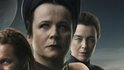
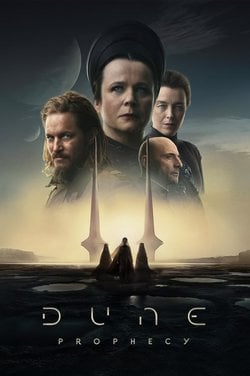
In der schillernden Welt der Science-Fiction gibt es nur wenige Universen, die so fesselnd sind wie das von Frank Herbert geschaffene Dune-Universum. Mit der neuen HBO-Serie "Dune: Prophecy" wird diese faszinierende Welt um einen weiteren spannenden Aspekt erweitert. Setze dich zurück und tauche ein in die Geschichten der Harkonnen-Schwestern, die vor 10.000 Jahren lebten und alles daran setzen, die Zukunft der Menschheit zu sichern.
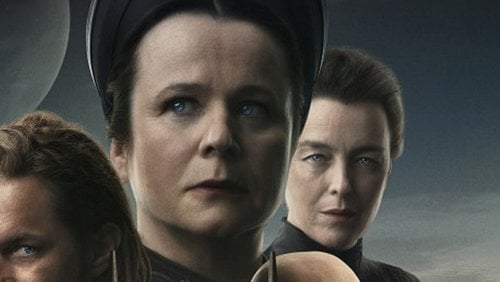
Die Serie erzählt uns von Valya und Tula Harkonnen, zwei starken Schwestern, die sich in einem Spiel voller politischer Intrigen und Machtkämpfe bewegen. Die Charaktere sind gut ausgearbeitet und verkörpert durch talentierte Schauspielerinnen wie Emily Watson als Mother Superior Valya Harkonnen und Olivia Williams als Reverend Mother Tula Harkonnen. Diese beiden Frauen stehen im Mittelpunkt eines Konflikts, der nicht nur ihre persönliche Identität betrifft, sondern auch das Schicksal des gesamten Imperiums beeinflussen könnte.
Was "Dune: Prophecy" besonders macht, ist nicht nur die packende Handlung, sondern auch die tiefe Erkundung der Bene Gesserit-Sekte. Diese mächtige Organisation hat ihre Wurzeln in den Entscheidungen und Kämpfen dieser beiden Schwestern. Ihre übernatürlichen Fähigkeiten stammen aus intensiven physikalischen und mentalen Trainingseinheiten – etwas, das wir als Zuschauer hautnah miterleben können. Die ersten Episoden zeigen bereits eindrucksvoll, wie Valya versucht, ihre Position zu festigen und gleichzeitig ihre Schwester Tula bei ihren Herausforderungen zu unterstützen.