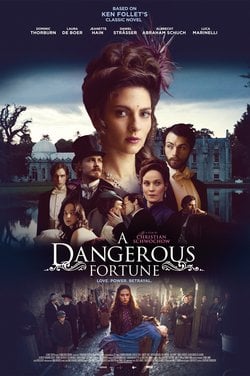
- Original release
-
Platform release date

- Previous episode S01E01 - Episode 1
- Number S01E02
- Episode runtime 45 minutes
- Country United Kingdom
- Original language English
- Genres Drama, Romance
-
External links
TheTVDB page
IMDB page
TheMovieDB page -
Last update
19 septembre 2026 - 00:15
on 11 databases
Episode 2
Anne decides that honesty is required and hopes that seeking confession with Caroline will appease her guilt and lay to rest the ghosts from her past.

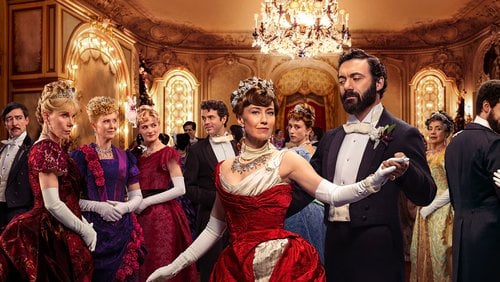
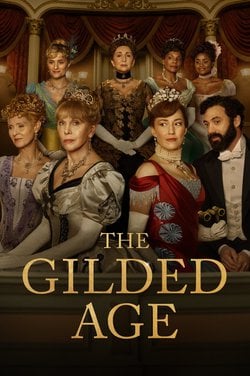
In recent years, television has seen a resurgence in historical dramas, and one series that stands out is HBO's "The Gilded Age." Set against the backdrop of America’s late 19th-century economic boom, this show delves deep into societal changes and personal ambitions during a time when fortunes were made and lost overnight. With its lush visuals, compelling characters, and rich storytelling, it invites viewers to explore an era filled with contrast—between old money and new wealth, tradition and progress.
At the heart of "The Gilded Age" is young Marian Brook (played by Louisa Jacobson), who finds herself uprooted from her rural Pennsylvania home after her father's death. Moving in with her wealthy aunts Agnes van Rhijn (Christine Baranski) and Ada Brook (Cynthia Nixon) in New York City thrusts her into a world dominated by social hierarchies and fierce competition. As she navigates this elite society, Marian becomes entangled in a social war between her old-money relatives and their ambitious neighbors—the Russells, headed by railway tycoon George Russell (Morgan Spector) and his determined wife Bertha Russell (Carrie Coon). This clash sets the stage for riveting drama filled with power struggles and emotional revelations.
Each episode offers viewers an intricate tapestry woven from the lives of various characters who epitomize both ambition and despair. The series artfully contrasts Marian's naivety with Peggy Scott's (Denée Benton) bold aspirations as an African American writer seeking acceptance in a predominantly white upper crust. Their friendship unfolds against societal expectations, making it not just a story about wealth but also about identity and friendship amid adversity. The dynamic between these two women provides depth to the narrative while showcasing themes relevant even today.