- Original release
- Previous episode S2002E09 - Écoute ce que je vois : les aveugles
- Number S2002E10
- Episode runtime 26 minutes
- Country France
- Original language French
- Genres Family, Documentary
-
External links
TheTVDB page
IMDB page
TheMovieDB page -
Last update
31 août 2026 - 15:15
on 11 databases
La magie des effets spéciaux
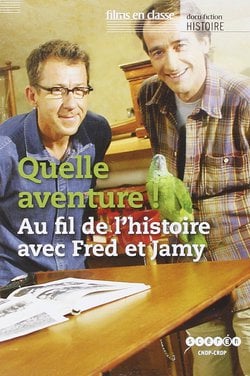
Sabine claque des doigts… et disparaît ; ou bien elle se dédouble, et parle avec elle-même. Jamy se fait attaquer par un terrible dinosaure… pas plus grand que la main ; ou bien il claque des doigts à son tour, et c'est Fred qui apparaît ! C'était l'époque de Georges Méliès, et des premiers effets spéciaux. C'est pas Sorcier revient sur l'histoire et l'évolution de ces tours de prestidigitation, depuis le bricolage ingénieux à base de peinture en trompe-l'œil, jusqu'aux techniques ultramodernes de la Planète des singes. Comment Georges Méliès faisait-il disparaître ses acteurs ? Et comment se servait-il des propriétés photochimiques de la pellicule pour dédoubler ses personnages ? Pour faire planer un vaisseau spatial dans un film de science-fiction, on a souvent recours au matte painting. C'est quoi exactement ? Comment se sert-on d'un fond bleu pour incruster les personnages dans un décor virtuel ?