- Original release
- Previous episode S2012E16 - Le verre dans tous ses états
- Number S2012E17
- Episode runtime 26 minutes
- Country France
- Original language French
- Genres Family, Documentary
-
External links
TheTVDB page
IMDB page
TheMovieDB page -
Last update
31 août 2026 - 15:15
on 11 databases
Dyslexie, dyspraxie… ces mystérieux troubles de l'apprentissage
Ils ont du mal à lire, à écrire, à compter, à coordonner leurs gestes ou encore à s’exprimer de manière cohérente. Nous nous intéressons aujourd’hui aux enfants atteints de ce que l’on appelle les « troubles dys ».
Qu’il s’agisse de dyslexie, de dyspraxie, de dysphasie, de dyscalculie, de dysorthographie, ils seraient en France entre 10 et 15% à souffrir de tels troubles de l’apprentissage. Des handicaps invisibles, qui peuvent aboutir à un échec scolaire massif et à une grande souffrance morale s’ils ne sont pas bien pris en charge.
Pour comprendre à quel point ces troubles occupent une place importante dans la vie des enfants qui en sont atteints, Fred va rencontrer de jeunes patients et les adultes impliqués dans leur accompagnement.
Jamy, lui, va installer son laboratoire au Neurospin, un centre de référence en imagerie cérébrale près de Paris, où l’on étudie notamment le fonctionnement du cerveau des personnes «dys».
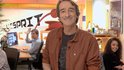
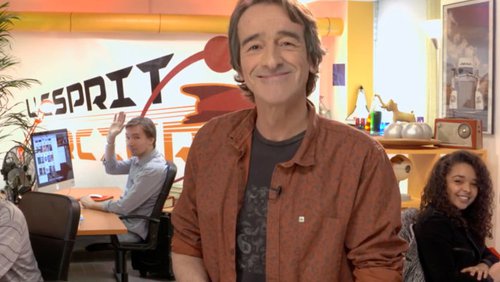
If you have ever found yourself fascinated by the wonders of science, then you must not miss out on watching "L'Esprit Sorcier." This educational television program, founded by Frédéric Courant and Pascal Léonard, is designed for everyone—young and old alike—to unlock the mysteries of our world. Just like its predecessor, "C'est pas sorcier," which was a beloved staple in French culture for over two decades, "L'Esprit Sorcier" carries forward the legacy of teaching through engaging content and exciting exploration.
The show launched online in 2015 as a modern successor to "C'est pas sorcier," which aired from 1993 to 2014 with an impressive total of 559 episodes. The original show captivated audiences with its unique blend of entertainment and education, featuring hosts Fred, Sabine, and Jamy as they traveled around the globe to explore various scientific concepts. With over 30% audience share at its peak, it became synonymous with quality science programming in France. In essence, "L'Esprit Sorcier" aims to recreate that magic while introducing new formats and segments that keep viewers hooked.
Each episode delves into diverse topics across six categories: earth and universe, biodiversity and environment, sports and health, technology physics and chemistry, history culture and society, alongside special editions. This broad spectrum ensures that there’s something for everyone! Whether you're curious about space exploration or looking to understand ecological issues better, this show serves up valuable insights wrapped in an entertaining format.