- Original release
-
Platforms release



- Previous episode S02E03 - La Purisima Mission
- Number S02E04
- Episode runtime 45 minutes
- Country United States
- Original language English
- Genres Reality, Documentary, Mystery, History
-
External links
TheTVDB page
IMDB page
TheMovieDB page -
Last update
7 novembre 2026 - 04:15
on 11 databases
Magnolia Plantation
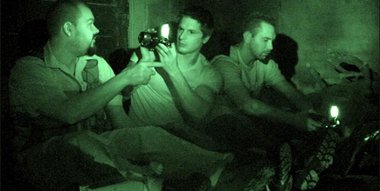
The Ghost Adventures crew travels to Natchitoches, LA, to investigate the Magnolia Plantation. It's the first time any paranormal team has ever been allowed to investigate the plantation. Built in 1830 to grow and harvest cotton, it consists of 5,000 acres of land. Shamefully, many slaves labored and died in the vast farming fields of the plantation. Today it has been taken over by the National Park Service in an attempt to preserve its history. The Ghost Adventures crew uncovers evidence of voodoo rituals that many of the slaves used to seek revenge on the plantation owners. The spirits of the repressed and tortured souls are still alive in this national park.

Three days after the Season 27 finale of Ghost Adventures, one thing is clear: this is one of the most focused seasons the series has had in years. The run premiered on Wednesday, September 30, 2026, on Discovery Channel and wrapped on November 4. Zak Bagans, Aaron Goodwin, Billy Tolley and Jay Wasley went looking for what the network called the restless dark forces of America's turbulent past. If you watched it, you know the season wasn't just a string of lockdowns. It worked like an anthology about violence, greed and grief, and how those things can soak into the places where they happened. (Some platforms list this run under a different season number, but on BetaSeries it's Season 27.) Here's our debrief.
A season built on one strong theme
The opener, "Factory of Fear," was a clever way to start. A huge Las Vegas warehouse that now runs as a horror-themed escape room is about as close to home as Zak can get, since his Haunted Museum is in the same city. The idea that a business built on fake scares might sit on top of real mob violence set up the question the season kept asking: what's left behind after real cruelty, and can it ever be cleaned away? From there the crew went to rural Oregon for "Possession in Pilot Rock," then to a California estate with reports of ghostly nuns in "Mansion of Unholiness," and then to an abandoned Nevada mining settlement in "Gold Canyon Curse." Each stop added another layer to the same picture, which made the season feel unusually unified for a show that's often episodic.