- Original release
- Previous episode S2022E112 - La FORTUNE pour qui résout cette ÉNIGME ! -…
- Number S2022E113
- Episode runtime 12 minutes
- Genres News, Documentary
-
External links
TheTVDB page
-
Last update
5 octobre 2026 - 10:34
on 11 databases
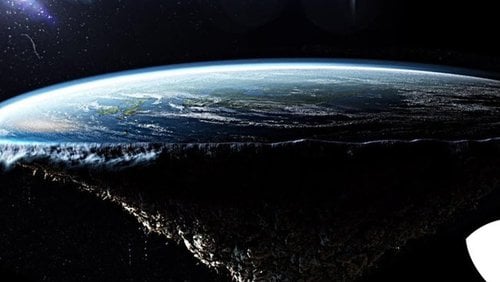
Le STARSHIP démarre son ultime phase de tests ! - Le Journal de la Starbase #45 - Le JDE
Au programme aujourd'hui:
- 00:00 - Introduction et annonces
- 00:58 - Quoi de neuf à Boca Chica
- 01:19 - Hors Sujet: Le rachat de Twitter
- 01:47 - Les Starships
- 02:22 - Les tests finaux ? Dernière ligne droite
- 04:09 - L'élément clés "d'autres missions"
- 04:39 - Question 1: Pesquet et Musk sur le JDE ? (on peut rêver)
- 05:04 - Quid de la 3e Tour comme remplaçante en cas d'accident
- 05:46 - Epaisseur des toles du Starship
- 06:50 - Un système d'éjection d'urgence sur le Starship ?
- 08:09 - De la fibre de carbone pour les tuiles thermiques ?
- 09:14 - Les platesformes Phobos et Deimos: usages et placements ?
- 11:19 - MERCI !
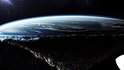
If you have a passion for astronomy or simply love learning about the universe, then 'AstronoGeek' is a must-watch series for you. This American TV show stands out not just for its educational content but also for its unique approach to making complex topics accessible and entertaining. With just one season comprising 376 episodes, 'AstronoGeek' ensures there's never a dull moment as it delves deep into the mysteries of space.
'AstronoGeek' offers an intriguing mix of historical insights and modern scientific discoveries. The pilot episode sets the tone perfectly by exploring how ancient astronomers like Aristarque de Samos and Hipparque de Nicée measured the distance from Earth to the Moon. It even takes us through modern methods like laser telemetry, which can measure this distance down to a millimeter. The show's creator cleverly uses humor and colloquial language to make these scientific concepts more relatable, proving that science doesn't have to be dry or boring.
One of the standout elements of 'AstronoGeek' is its ability to weave in real-world events with astronomical phenomena. For instance, Episode 2 recounts the infamous blackout in Northeast America on August 14, 2003, when New Yorkers mistook one of nature's most beautiful spectacles for a potential terrorist attack. This blend of storytelling and science keeps viewers engaged while educating them about significant astronomical events.