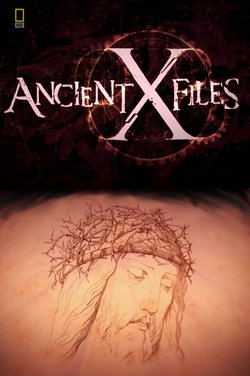
- Original release
- Previous episode S2012E02 - Mayerling : suicide ou assassinat ?
- Number S2012E03
- Country France
- Genre Documentary
-
External links
TheTVDB page
IMDB page
TheMovieDB page -
Last update
21 septembre 2020 - 13:15
on 11 databases
Les possédées de Loudun : une manipulation de Richelieu ?
Avec les premières crises de possession, la ville de Loudun est devenue très attractive. Une aubaine pour l’Eglise qui en fait une vitrine de son combat contre le diable. Richelieu espère ainsi pousser les hérétiques à la conversion. On vient de toute l’Europe assister aux séances d’exorcisme des possédées.
L’affaire est instruite par le baron de Laubardemont, un homme de main du Cardinal de Richelieu. Il accuse Urbain Grandier, dont les sœurs possédées évoquent le nom pendant leurs crises de délire, d’avoir pactisé avec le Diable. Il faut dire que Grandier multiplie les ennemis. Le prêtre se distingue par son style de vie libertin et s’est attiré les foudres de l’Eglise en rédigeant un Traité sur le célibat des prêtres. Il n’a rien non plus pour plaire à Richelieu dont il s’est opposé à la politique quelques années auparavant.
Autant de raisons qui poussent certainement Laubardemont à le faire tomber. Pourtant, malgré son acharnement à obtenir des aveux et d’innombrables séances de tortures, Grandier a toujours nié avoir passé un pacte avec le Diable.

Twenty seasons in, "Secrets d'histoire" can still surprise its audience. The Season 20 finale aired on Wednesday, October 21, 2026, at 9:10 p.m. on France 3, and Stéphane Bern closed the season with one of the most notorious women of antiquity: Messalina, the third wife of Emperor Claudius. If you watched it, you already know it was more than a parade of Roman scandal. It was a careful re-examination of a woman whose name has been shorthand for depravity for almost two thousand years. If you haven't caught up yet, this debrief shows why the episode, and the whole season, deserves a place in your watchlist.
A finale that puts history's verdict on trial
The question at the centre of the finale was simple: does Messalina deserve the brutal nickname history gave her? Roman writers handed down a woman driven by insatiable desire and a hunger for power. Bern's team took that portrait apart piece by piece. They asked who wrote the story, why they wrote it, and what they gained from it. This is the series at its best. It doesn't simply retell a legend. It looks into how the legend was made. Messalina's world gave the episode plenty of drama: Caligula, Nero, Agrippina and the freedman Narcissus all appear, each with their own agenda in the deadly politics of the Julio-Claudian court. Without spoiling anything for latecomers, the finale's real emotional pull comes from the gap between the caricature and the young woman caught up in a machine much bigger than she was.