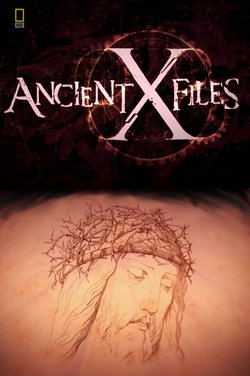
- Original release
- Previous episode S2015E03 - Qui était vraiment François Ier ?
- Number S2015E04
- Country France
- Genre Documentary
-
External links
TheTVDB page
IMDB page
TheMovieDB page -
Last update
21 septembre 2020 - 13:15
on 11 databases
Les derniers jours de Jésus
Pour les chrétiens, les fêtes de Pâques sont l'occasion de se souvenir de la Passion du Christ, c'est-à-dire ses dernières heures sur terre, sa mort et sa résurrection. Pendant ce temps, les historiens s'interrogent sur cet épisode mystérieux de l'histoire. Chaque année, les pélerins chrétiens se rendent en Terre
sainte ou dans les lieux où sont exposés les reliques du Christ. Cependant, des polémiques entourent ces artefacts. A Jérusalem se trouvent tous les lieux cités dans les textes sacrés. Peut-on les retrouver pour démêler le mythe de la réalité ? Parallèlement, des chercheurs continuent d'étudier des textes anciens. Ils cherchent à déterminer leur authenticité et comment ils peuvent bousculer le canon actuel.

Twenty seasons in, "Secrets d'histoire" can still surprise its audience. The Season 20 finale aired on Wednesday, October 21, 2026, at 9:10 p.m. on France 3, and Stéphane Bern closed the season with one of the most notorious women of antiquity: Messalina, the third wife of Emperor Claudius. If you watched it, you already know it was more than a parade of Roman scandal. It was a careful re-examination of a woman whose name has been shorthand for depravity for almost two thousand years. If you haven't caught up yet, this debrief shows why the episode, and the whole season, deserves a place in your watchlist.
A finale that puts history's verdict on trial
The question at the centre of the finale was simple: does Messalina deserve the brutal nickname history gave her? Roman writers handed down a woman driven by insatiable desire and a hunger for power. Bern's team took that portrait apart piece by piece. They asked who wrote the story, why they wrote it, and what they gained from it. This is the series at its best. It doesn't simply retell a legend. It looks into how the legend was made. Messalina's world gave the episode plenty of drama: Caligula, Nero, Agrippina and the freedman Narcissus all appear, each with their own agenda in the deadly politics of the Julio-Claudian court. Without spoiling anything for latecomers, the finale's real emotional pull comes from the gap between the caricature and the young woman caught up in a machine much bigger than she was.