- Original release
- Previous episode S05E04 - Meurtres à Orléans
- Number S05E05
- Episode runtime 95 minutes
-
Director
Thierry Binisti
-
Writers
Frédéric Faurt
Jean-Marc Taba
Marc-Antoine Laurent
- Country France
- Original language French
- Genres Drama, Crime, Suspense, Thriller, Mystery
-
External links
TheTVDB page
IMDB page
TheMovieDB page -
Last update
19 octobre 2026 - 05:33
on 11 databases
Meurtres en pays d'Oléron
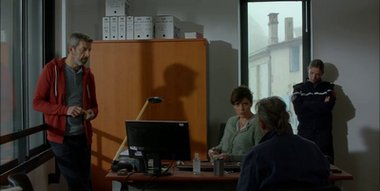
Le corps d’un homme d’une soixantaine d’années, nu, recroquevillé en position fœtale, vient d’être retrouvé dans un cimetière protestant abandonné depuis plus de 200 ans, du côté de Mornac-sur-Seudre (Charente-Maritime). À côté du cadavre poignardé, une coquille d'huître dans laquelle est gravée le nom du mort. Une mise en scène déconcertante pour la première affaire de Judith Valeix qui vient de prendre la direction de la Brigade de gendarmerie de La Tremblade.

If you just finished Season 11 of Meurtres à..., you probably already know what makes this French crime anthology special. Each feature-length episode is a self-contained murder mystery set somewhere in France, and the killing is always tied to a local festival, monument or legend. Season 11 was one of the most varied runs the collection has had, mixing seaside tension, Provençal tradition, rugby-mad southern pride and First World War memory. Here's our debrief of what worked, what stayed with us and what the season suggests about the show's future.
Les Sables-d'Olonne: a strong, salty opening
The season opened on the Atlantic coast with "Meurtres aux Sables-d'Olonne" (also known as "Le Vent des sables"). The story is built around the Vendée Globe, the solo round-the-world sailing race. As skipper Yannick Berthomé gets ready to leave, his sponsor Théodore Milard is knocked out, tied up and thrown into the sea. When the company's lawyer, Patrick Vernet, is killed the same way, Captain Judith Kamara and Lieutenant Olivier Finet (played by Marc Samuel) of the Angers SRPJ realise they're dealing with a pattern. The episode is a good example of the Meurtres à... formula. The setting isn't just scenery: the money, ego and sponsorship behind elite sailing are what drive the mystery.