- Original release
- Previous episode S10E03 - Meurtres à Pont-Aven
- Number S10E04
- Episode runtime 112 minutes
- Country France
- Original language French
- Genres Drama, Crime, Suspense, Thriller, Mystery
-
External links
TheTVDB page
IMDB page
TheMovieDB page -
Last update
6 novembre 2026 - 08:21
on 11 databases
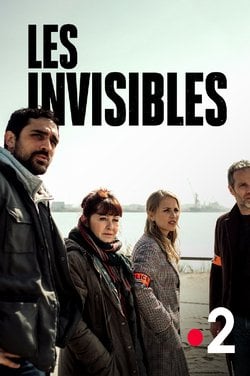
Nouveaux meurtres à Saint-Malo
Dix ans après la série de meurtres qui l'a poussée à abandonner sa carrière de flic, Gwen le Garrec se retrouve de nouveau au milieu d'une affaire criminelle... et décide, aidée de son ancien acolyte Vautier, désormais à la retraite, d'enquêter en parallèle de la gendarmerie... Qui contrôle ce chien sanguinaire qui semble vouloir décimer l'une des plus anciennes familles malouines ? Se pourrait-il que Ronan, l'ex-compagnon de Gwen et père de son fils, introuvable depuis plusieurs jours, soit impliqué dans l'affaire ? Gwen ne peut y croire et fera tout pour prouver l'innocence de Ronan. Mais Kassem et Guyot, les gendarmes officiellement en charge de l'enquête, ne voient pas cette intrusion d'un bon œil...

If you just finished Season 11 of Meurtres à..., you probably already know what makes this French crime anthology special. Each feature-length episode is a self-contained murder mystery set somewhere in France, and the killing is always tied to a local festival, monument or legend. Season 11 was one of the most varied runs the collection has had, mixing seaside tension, Provençal tradition, rugby-mad southern pride and First World War memory. Here's our debrief of what worked, what stayed with us and what the season suggests about the show's future.
Les Sables-d'Olonne: a strong, salty opening
The season opened on the Atlantic coast with "Meurtres aux Sables-d'Olonne" (also known as "Le Vent des sables"). The story is built around the Vendée Globe, the solo round-the-world sailing race. As skipper Yannick Berthomé gets ready to leave, his sponsor Théodore Milard is knocked out, tied up and thrown into the sea. When the company's lawyer, Patrick Vernet, is killed the same way, Captain Judith Kamara and Lieutenant Olivier Finet (played by Marc Samuel) of the Angers SRPJ realise they're dealing with a pattern. The episode is a good example of the Meurtres à... formula. The setting isn't just scenery: the money, ego and sponsorship behind elite sailing are what drive the mystery.