- Original release
- Previous episode S01E168 - Cet objet n'est pas une luge - Objets Insolites #2
- Number S01E169
- Country United States
- Genres Documentary, Special Interest
-
External links
YouTube page
-
Last update
27 avril 2026 - 19:14
on 11 databases
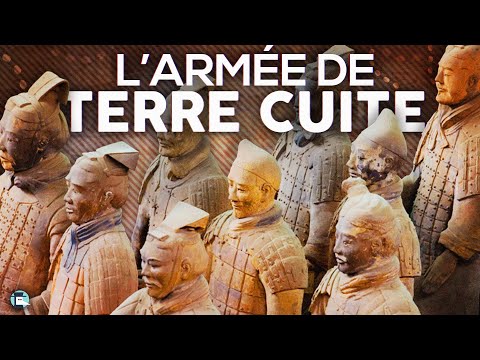
La mystérieuse armée de terre cuite du 1er empereur chinois
Cet épisode est sponsorisé par Tianci Média.
Depuis le début de l'année, on a commencé un voyage au cœur de l’Histoire de la Chine. Ce que je vous propose aujourd’hui, c’est de nous attaquer à un monument de l’archéologie chinoise : la tombe du Premier Empereur de Chine et sa fameuse armée en terre cuite. Allez, c’est parti !
? Écrit par Benjamin Brillaud et Arnaud Bertrand
? Montage par Dead Will : https://www.youtube.com/channel/UCtLkNuzB2_j2z7SFdvkiCww
————————————————————————————————————————————
➤➤➤ Sources en fin de description
————————————————————————————————————————————
?Pour s’abonner et soutenir ma chaîne?
https://www.youtube.com/channel/UCP46_MXP_WG_auH88FnfS1A/join
?Chaîne Nota Bonus? https://www.youtube.com/channel/UCrbbgYjbrXVYRM_iRGEDqFw
————————————————————————————————————————————
?Découvrez ma boutique en ligne?
➜ https://nota-bene.creator-spring.com/
————————————————————————————————————————————
?Vous pouvez acheter mes ouvrages en suivant ce lien ?
➜ https://www.notabenemovies.com/ouvrages/
————————————————————————————————————————————
?Rejoignez-moi sur les réseaux !?
➜ Twitch : https://www.twitch.tv/notabenemovies
➜ Facebook : http://facebook.com/notabenemovies
➜ Twitter : https://twitter.com/NotaBeneMovies
➜ Instagram : https://www.instagram.com/notabenemovies
➜ TikTok : https://www.tiktok.com/@notabenemovies
➜ Tipeee : https://www.tipeee.com/nota-bene
➜ Site internet : https://www.notabenemovies.com/
➜ Podcast : https://www.notabenemovies.com/podcasts/
————————————————————————————————————————————
➤➤➤ Pour en savoir plus :
————————————————————————————————————————————
- Corinne Debaine-Francfort, La redécouverte de la Chine ancienne, Paris : Gallimard, coll. « Découvertes Gallimard / Archéologie » (no 360), 2008.
- Damien Chaussande, La véritable histoire du premier empereur de Chine, Paris : Les Belles Lettres, 2010.
- Jacques Gernet, Le monde chinois. Tome 1: De l’Age du bronze au Moyen ge, Paris : Pocket, 2006.
- Lothar von Falkenhausen, Alain Thote, Les Soldats de l'Éternité : L'armée de Xi'an, Paris, Ed. Pinacothèque de Paris, 2008.
- Lucas Nickel, « The First Emperor and sculpture in China », Bulletin of the School of Oriental and African Studies, Volume 76 , Issue 3 , 2013, p. 413 – 447.
- Michèle Pirazzoli t’Serstevens, Marianne Bujard, Les dynasties Qin et Han : histoire générale de la Chine, 221 av. J.-C. – 220 apr. J.-C., Paris : Les Belles Lettres, 2017.
- Zhang Zhongli, Une des plus importantes découvertes du XXe siècle : Les guerriers et les chevaux en terre cuite des Qin, Pékin : éditions de la Chine populaire, 1997.

If you're tired of traditional history shows that present dry facts and dates, then you're in for a treat with "Herodot'com." This engaging series takes viewers on a whimsical journey through history, blending educational content with humor and entertainment. With its first season featuring 110 episodes, each one brimming with fascinating insights and laugh-out-loud moments, it's no wonder this show has quickly become a favorite among history buffs and casual viewers alike.
In Season 1, our charismatic host dives deep into both classic films and pivotal historical figures. Episode by episode, he critiques iconic movies like "Braveheart" and "The Last Samurai," dissecting their historical inaccuracies while offering context that makes learning about history enjoyable. The witty commentary is wrapped in colorful storytelling that keeps you engaged from start to finish. Fans of shows like "C'est une autre histoire" or "Nota Bene" will find familiar comfort in this blend of education and entertainment but will appreciate the unique twist that "Herodot'com" brings to the table.
What sets "Herodot'com" apart is its ability to make learning fun through satire and parody. In Episode 1, titled "Salut Camarades!", our host hilariously critiques Mel Gibson's epic film "Braveheart." He highlights not only the glaring historical errors but also provides entertaining anecdotes about Scottish history that are sure to make you chuckle. This clever approach serves as an invitation to viewers to explore beyond what they see on screen; it encourages critical thinking about how history is portrayed in media.