- Original release
- Previous episode S01E177 - Les mérovingiens : les premiers rois du Moyen…
- Number S01E178
- Country United States
- Genres Documentary, Special Interest
-
External links
YouTube page
-
Last update
27 avril 2026 - 19:14
on 11 databases
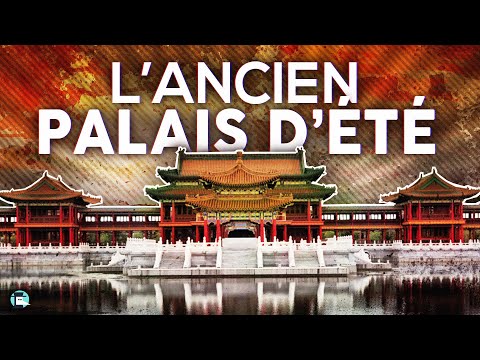
Le pillage du Palais d'été : l'événement le plus traumatisant de l'Histoire chinoise ?
Aujourd’hui nous allons parler d’un lieu emblématique en Chine, après la Cité interdite et la grande muraille de Chine, je vous propose d’en savoir plus sur le Palais d'Été et son pillage par les occidentaux. Et vous allez le voir, le sujet est chaud bouillant encore aujourd’hui.
Cet épisode est réalisé en partenariat avec Tianci Média.
? Écrit par Benjamin Brillaud et Emmanuel Lincot
? Montage par Dead Will : https://www.youtube.com/channel/UCtLkNuzB2_j2z7SFdvkiCww
————————————————————————————————————————————
➤➤➤ Sources en fin de description
————————————————————————————————————————————
?Pour s’abonner et soutenir ma chaîne?
https://www.youtube.com/channel/UCP46_MXP_WG_auH88FnfS1A/join
?Chaîne Nota Bonus? https://www.youtube.com/channel/UCrbbgYjbrXVYRM_iRGEDqFw
————————————————————————————————————————————
?Découvrez ma boutique en ligne?
➜ https://nota-bene.creator-spring.com/
————————————————————————————————————————————
?Vous pouvez acheter mes ouvrages en suivant ce lien ?
➜ https://www.notabenemovies.com/ouvrages/
————————————————————————————————————————————
?Rejoignez-moi sur les réseaux !?
➜ Twitch : https://www.twitch.tv/notabenemovies
➜ Facebook : http://facebook.com/notabenemovies
➜ Twitter : https://twitter.com/NotaBeneMovies
➜ Instagram : https://www.instagram.com/notabenemovies
➜ TikTok : https://www.tiktok.com/@notabenemovies
➜ Tipeee : https://www.tipeee.com/nota-bene
➜ Site internet : https://www.notabenemovies.com/
➜ Podcast : https://www.notabenemovies.com/podcasts/
————————————————————————————————————————————
➤➤➤ Pour en savoir plus :
————————————————————————————————————————————
Brizay Bernard, La France en Chine - Du XVIIe siècle à nos jours, Paris, Perrin, 2013.
Brizay Bernard, Le Sac du Palais d'Été : l'expédition anglo-française de Chine en 1860, Paris, Éditions du Rocher, 2011.
Etiemble, L’Europe chinoise. De l’Empire romain à Leibniz, Paris, Gallimard, 1988
Hopkirk Peter, Bouddhas et rôdeurs sur la route de la soie, Paris, Arthaud, 1981 Lincot
Rémy Pierre-Jean, Le Sac du Palais d'Été, Paris, Gallimard, 1988
Rochebrun Marie-Laure (dir°), La Chine à Versailles. Art et diplomatie au XVIIIe siècle, Paris, Somogy, 2014
Lincot Emmanuel, Chine, une nouvelle puissance culturelle ? Soft power et Sharp power, Paris, MkF, 2019
Lincot Emmanuel, Géopolitique du patrimoine. L’Asie d’Abu Dhabi au Japon, Paris, MkF, 2021
Sitographie :
Extraits de l’album « Yuanmingyuan » - commandité par Qianlong, en 1744: https://visualizingcultures.mit.edu/garden_perfect_brightness/ymy1_essay03.html

If you're tired of traditional history shows that present dry facts and dates, then you're in for a treat with "Herodot'com." This engaging series takes viewers on a whimsical journey through history, blending educational content with humor and entertainment. With its first season featuring 110 episodes, each one brimming with fascinating insights and laugh-out-loud moments, it's no wonder this show has quickly become a favorite among history buffs and casual viewers alike.
In Season 1, our charismatic host dives deep into both classic films and pivotal historical figures. Episode by episode, he critiques iconic movies like "Braveheart" and "The Last Samurai," dissecting their historical inaccuracies while offering context that makes learning about history enjoyable. The witty commentary is wrapped in colorful storytelling that keeps you engaged from start to finish. Fans of shows like "C'est une autre histoire" or "Nota Bene" will find familiar comfort in this blend of education and entertainment but will appreciate the unique twist that "Herodot'com" brings to the table.
What sets "Herodot'com" apart is its ability to make learning fun through satire and parody. In Episode 1, titled "Salut Camarades!", our host hilariously critiques Mel Gibson's epic film "Braveheart." He highlights not only the glaring historical errors but also provides entertaining anecdotes about Scottish history that are sure to make you chuckle. This clever approach serves as an invitation to viewers to explore beyond what they see on screen; it encourages critical thinking about how history is portrayed in media.