- Original release
- Previous episode S01E276 - Galilée a t-il menti pour sauver sa vie ? - Le…
- Number S01E277
- Country United States
- Genres Documentary, Special Interest
-
External links
YouTube page
-
Last update
23 avril 2026 - 14:09
on 11 databases
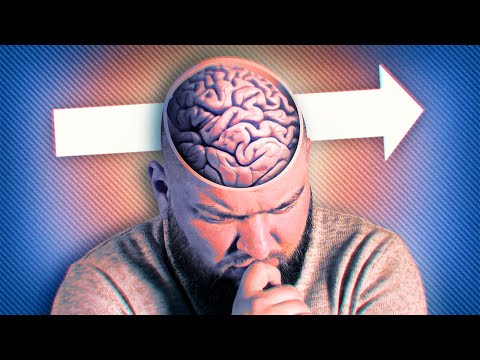
L'étonnante histoire de la médecine du cerveau
Un grand merci au CEA pour avoir été notre partenaire sur cette vidéo ! Voici quelques liens pour en savoir plus sur ses activités :
- Le CEA et les 75 avancées qui ont changé nos vies
➜ https://www.cea.fr/Pages/domaines-recherche/75ans-innovations.aspx
➜ https://www.cea.fr/multimedia/Pages/editions/les-defis-du-cea/hors-serie-2020-special-75-ans-du-cea.aspx
- Les techniques d’imagerie médicale : https://www.cea.fr/comprendre/Pages/sante-sciences-du-vivant/essentiel-sur-imagerie-medicale.aspx
- L’IRM le plus puissant au monde livre ses premières images : https://www.youtube.com/watch?v=yYotf_e8JfY
Depuis quand sait-on à quoi ressemble un cerveau, et à quoi ça sert ? Après tout, pendant des millénaires on ne s’amusait pas à ouvrir les crânes des gens, ou alors on le faisait avec une masse d'armes, et là on n'avait plus grand chose à analyser ! Et puis on n'avait aucun indice non plus pour deviner qu’une douleur ressentie sur la main ou les pieds, était en réalité créée par le cerveau ! Mais d’ailleurs, est-ce que même vous, vous êtes sûrs d’être à la page ? Et qu’un cerveau, ça ressemble vraiment à ça ? Aujourd'hui, je vous propose de parler de l'histoire de la médecine du cerveau !
➤ Retrouvez notre épisode sur l'histoire du CEA : https://youtu.be/MIMB0lIgD-A
? Écriture : Benjamin Brillaud, Jean de Boisséson et Pierre Kerner
? Montage : Dead Will / Wilfried Kaiser https://www.youtube.com/c/DEADWILL
➤ Retrouvez la vidéo dans d'autres langues !
➜ En espagnol : https://youtu.be/qEh-Siw5S0E
➜ En anglais : https://youtu.be/ZjcSc7xoP4k
————————————————————————————————————————————
➤➤➤ Sources en fin de description
————————————————————————————————————————————
?Pour s’abonner et soutenir ma chaîne?
https://www.youtube.com/channel/UCP46_MXP_WG_auH88FnfS1A/join
?Chaîne Nota Bonus? https://www.youtube.com/channel/UCrbbgYjbrXVYRM_iRGEDqFw
————————————————————————————————————————————
?Découvrez ma boutique en ligne?
➜ https://nota-bene.creator-spring.com/
————————————————————————————————————————————
?Vous pouvez acheter mes ouvrages en suivant ce lien ?
➜ https://www.notabenemovies.com/ouvrages/
————————————————————————————————————————————
?Rejoignez-moi sur les réseaux !?
➜ Twitch : https://www.twitch.tv/notabenemovies
➜ Facebook : http://facebook.com/notabenemovies
➜ Twitter : https://twitter.com/NotaBeneMovies
➜ Instagram : https://www.instagram.com/notabenemovies
➜ TikTok : https://www.tiktok.com/@notabenemovies
➜ Tipeee : https://www.tipeee.com/nota-bene
➜ Site internet : https://www.notabenemovies.com/
➜ Podcast : https://www.notabenemovies.com/podcasts/
————————————————————————————————————————————
➤➤➤ Pour en savoir plus :
————————————————————————————————————————————
- Barbara, J.-G. (2015). L’exploration de la matière cérébrale du XIXe au XXIe siècle. In L’exploration cérébrale, Paris, Hermann, p. 17-28. (p. 17‑28).
- Catani, M., Sandrone, S., & Vesalius, A. (2015). Brain renaissance : From Vesalius to modern neuroscience. Oxford University Press.
- Cavalcanti, D. D., Feindel, W., Goodrich, J. T., Dagi, T. F., Prestigiacomo, C. J., & Preul, M. C. (2009). - Anatomy, technology, art, and culture : Toward a realistic perspective of the brain. Neurosurgical Focus, 27(3), E2.
- Engelhardt, E. (2021). Marcello Malpighi : The nervous system under a microscope. Arquivos de Neuro-Psiquiatria, 79, 346‑349.
- Lucas-Championnère, J. (1912). Les origines de la trépanation décompressive. Trépanation néolithique, trépanation pré-colombienne, trépanation des Kabyles, trépanation traditionnelle. Avec 32 figures. Paris : Steinheil.
- Finger, S. (2000). Minds behind the brain : A history of the pioneers and their discoveries. Oxford University Press.
- Gandolfo, G., & Deschaux, O. (2010). Histoire de la découverte du cerveau et de l’évolution des méthodes d’exploration. Biologie Géologie, 2‑2010, 127.
- Ghosh, S. K. (2020). Camillo Golgi (1843-1926) : Scientist extraordinaire and pioneer figure of modern neurology. Anatomy & Cell Biology, 53(4), 385‑392.
- Pevsner, J. (2019). Leonardo da Vinci’s studies of the brain. The Lancet, 393(10179), 1465‑1472.
“L’imagerie médicale”, site du CEA, 7 mars 2022.

If you're tired of traditional history shows that present dry facts and dates, then you're in for a treat with "Herodot'com." This engaging series takes viewers on a whimsical journey through history, blending educational content with humor and entertainment. With its first season featuring 110 episodes, each one brimming with fascinating insights and laugh-out-loud moments, it's no wonder this show has quickly become a favorite among history buffs and casual viewers alike.
In Season 1, our charismatic host dives deep into both classic films and pivotal historical figures. Episode by episode, he critiques iconic movies like "Braveheart" and "The Last Samurai," dissecting their historical inaccuracies while offering context that makes learning about history enjoyable. The witty commentary is wrapped in colorful storytelling that keeps you engaged from start to finish. Fans of shows like "C'est une autre histoire" or "Nota Bene" will find familiar comfort in this blend of education and entertainment but will appreciate the unique twist that "Herodot'com" brings to the table.
What sets "Herodot'com" apart is its ability to make learning fun through satire and parody. In Episode 1, titled "Salut Camarades!", our host hilariously critiques Mel Gibson's epic film "Braveheart." He highlights not only the glaring historical errors but also provides entertaining anecdotes about Scottish history that are sure to make you chuckle. This clever approach serves as an invitation to viewers to explore beyond what they see on screen; it encourages critical thinking about how history is portrayed in media.