- Original release
- Previous episode S01E372 - Bataille de Carrhes : une des pires défaites de…
- Number S01E373
- Country United States
- Genres Documentary, Special Interest
-
External links
YouTube page
-
Last update
23 avril 2026 - 14:09
on 11 databases
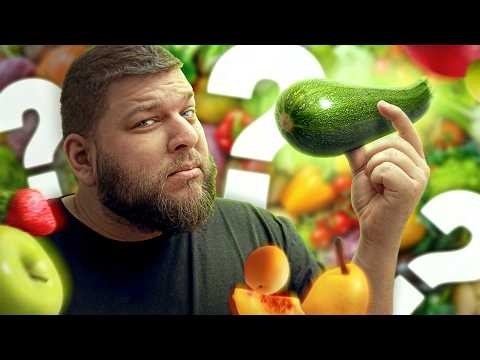
Fruits et légumes : depuis quand sont-ils dans notre assiette ?
La dernière fois que je me suis fait une bonne bouffe, une question a popé dans ma tête : les aliments, ils viennent d'où ? D’où arrivent les tomates, patates, échalotes, haricots, prunes et pêches qu’on mange, est-ce que tout ça poussait miraculeusement en Europe dès la Préhistoire ? Eh bien sans surprise, c’est non ! En fait, beaucoup de fruits et de légumes ont leur propre histoire et leur propre géographie ! Alors on se lance au cœur de la marmite pour enquêter sur leurs origines, toutes passionnantes !
? Écriture : Benjamin Brillaud, Jean de Boisséson, Elsa Galinier / Passeport Pour Hier
➤ Passeport Pour Hier : https://www.youtube.com/@PasseportPourHier/
? Iconographie : Bastien Verdier
? Montage : Nese Kaplan
————————————————————————————————————————————
➤➤➤ Sources en fin de description
————————————————————————————————————————————
?Pour s’abonner et soutenir ma chaîne?
https://www.youtube.com/channel/UCP46_MXP_WG_auH88FnfS1A/join
?Chaîne Nota Bonus? https://www.youtube.com/channel/UCrbbgYjbrXVYRM_iRGEDqFw
————————————————————————————————————————————
?Découvrez ma boutique en ligne?
➜ https://nota-bene.creator-spring.com/
————————————————————————————————————————————
?Vous pouvez acheter mes ouvrages en suivant ce lien ?
➜ https://www.notabenemovies.com/ouvrages/
————————————————————————————————————————————
?Rejoignez-moi sur les réseaux !?
➜ Twitch : https://www.twitch.tv/notabenemovies
➜ Facebook : http://facebook.com/notabenemovies
➜ Bluesky : https://bsky.app/profile/notabenemovies.bsky.social
➜ Threads : https://www.threads.net/@notabenemovies
➜ WhatsApp : https://whatsapp.com/channel/0029VaLz84n0QeanLM2D9l1d
➜ Instagram : https://www.instagram.com/notabenemovies
➜ TikTok : https://www.tiktok.com/@notabenemovies
➜ Tipeee : https://www.tipeee.com/nota-bene
➜ Site internet : https://www.notabenemovies.com/
➜ Podcast : https://www.notabenemovies.com/podcasts/
➜ Discord : https://discord.gg/6hztEKD27D
————————————————————————————————————————————
➤ Merci à notre partenaire NordVPN de soutenir la chaîne à l'année : https://nordvpn.com/notabenef
————————————————————————————————————————————
? Les images utilisées dans l'épisode : https://docs.google.com/spreadsheets/d/1wipYHwgjF9PU-lLu58-C9gYEWmg4NdJF/edit?usp=sharing&ouid=114961219766447019127&rtpof=true&sd=true
————————————————————————————————————————————
➤➤➤ Pour en savoir plus :
————————————————————————————————————————————
BIBLIOGRAPHIE :
- Éric Birlouez, 2020, Petite et grande histoire des légumes, éd. Quæ, coll. « Carnets de sciences », 175 p.
- H. Bourguiba et al. 2020, Genetic structure of a worldwide Germplasm collection of Prunus armeniaca L. reveals three major diffusion routes for varieties coming from the species, center of origin, Front Plant Sci
- Ruas M.-P. 2016. « Introduction à l'ouvrage », In : Ruas M.-P. (dir.), Mane P., Bouby L., Pradat B., Durand A., Puig C., Terral J.-F. et Boissinot P. (éds), Des fruits d'ici et d'ailleurs- Regards sur l'histoire de quelques fruits consommés en Europe, Paris, collection Histoire des Savoirs, Éditions Omniscience : p.11-38
- E. Birlouez, 2016, Ail,oignon et autres alliacées : approche historique et culturelle, Phytothérapie 14, 141-148
- M. Pitrat et C. Foury, 2015, Histoire de légumes, des origines à l’orée du XXIè siècle, éd. Quæ, Institut national de la recherche agronomique, Paris, 410 p.
- Y. Zheng et al. 2014, Archaeological Evidence for Peach (Prunus persica) Cultivation and Domestication in China, PLoS One, Xiaoyan Yang, Editor
- L. Bouby et al. 2012, les fruits, caractérisation carpologique et catégorie culturelles, CNRS édition, In: l’Archéologie à découvert, sophie A De Beaune et Henri-Paul Francfort (dir), p.79-85
- H. S. Paris et al. 2012, Occidental diffusion of cucumber (Cucumis sativus) 500-1300 CE: two routes to Europe, Annals of Botany, 109: 117-126
- J. Stolarczyk et J. Janik, 201, Carrot : History and Iconography, In: Chronica Horticulturae, International Society for Horticulture Science, vol 51, N°2
- Jean Vitaux, 2009, La mondialisation à table, Presses Universitaires de France, 210 p.
- L. Sadori et al. 2009, The introduction and diffusion of peach in ancient Italy, In: Plants and Culture : seeds of the cultural heritage of Europe, PaCE, a project for Europe p45-61
WEBOGRAPHIE
- Dossier de l’INRAP, l’archéologie du vin : https://www.inrap.fr/dossiers/Archeologie-du-Vin/home
- Spengler R. N.: Origins of the Apple Max Planck Institute of Geoanthropology, 27 mai 2019
UNESCO.org - Did you Know ? The role of the Silk roads in the cultivation of modern apple
- https://www.radiofrance.fr/franceculture/petite-histoire-de-la-pomme-de-terre-objet-de-culte-de-superstitions-et-de-convoitise-3426120
- https://www.thestudiomanager.com/posts/john-reader-on-potatoes-in-moche-art
- O. Banga, “Origin of the European Cultivated Carrot”, in Institute of Horticultural Plant Breeding, Wageningen, 1956.

If you're tired of traditional history shows that present dry facts and dates, then you're in for a treat with "Herodot'com." This engaging series takes viewers on a whimsical journey through history, blending educational content with humor and entertainment. With its first season featuring 110 episodes, each one brimming with fascinating insights and laugh-out-loud moments, it's no wonder this show has quickly become a favorite among history buffs and casual viewers alike.
In Season 1, our charismatic host dives deep into both classic films and pivotal historical figures. Episode by episode, he critiques iconic movies like "Braveheart" and "The Last Samurai," dissecting their historical inaccuracies while offering context that makes learning about history enjoyable. The witty commentary is wrapped in colorful storytelling that keeps you engaged from start to finish. Fans of shows like "C'est une autre histoire" or "Nota Bene" will find familiar comfort in this blend of education and entertainment but will appreciate the unique twist that "Herodot'com" brings to the table.
What sets "Herodot'com" apart is its ability to make learning fun through satire and parody. In Episode 1, titled "Salut Camarades!", our host hilariously critiques Mel Gibson's epic film "Braveheart." He highlights not only the glaring historical errors but also provides entertaining anecdotes about Scottish history that are sure to make you chuckle. This clever approach serves as an invitation to viewers to explore beyond what they see on screen; it encourages critical thinking about how history is portrayed in media.