- Original release
- Previous episode S18E07 - Der Kreuzworträtselfall
- Number S18E08
- Episode runtime 85 minutes
-
Director
Helmut Krätzig
-
Writer
Helmut Krätzig
- Country Germany
- Original language German
- Genres Drama, Crime, Thriller, Mystery
-
External links
TheTVDB page
IMDB page
TheMovieDB page -
Last update
3 octobre 2026 - 12:15
on 11 databases
Flüssige Waffe
Kegel hat es geschafft: Nach Verbüßung einer Haftstrafe und der anschließenden Entziehungskur kann der gelernte Schlosser ein neues Leben beginnen. Er hat auch den festen Vorsatz, sein Leben rigoros zu ändern. Die Bedingungen dafür sind günstig. Kegel hat Arbeit, seine neuen Kollegen begegnen ihm und seinem Alkoholproblem verständnisvoll. Seine Frau Marlies vertraut und liebt ihn. Doch dann holt ihn plötzlich seine Vergangenheit wieder ein. Noch während der letzten Tage seiner Entziehungskur hatte sich ein alter Bekannter aus Kegels unseliger Zeit bei ihm gemeldet. Und schon wenige Tage nach dem Ende der Entziehungskur ist Kegel wieder verschwunden. Ist ihm etwas passiert, trinkt er wieder, oder hat er sich erneut mit seinen alten Freunden eingelassen? Um ihm zu helfen, muss Marlies eine schwere Entscheidung treffen. Kann sie bei der Polizei Hilfe suchen, oder zerstört sie damit Kegels Chance?

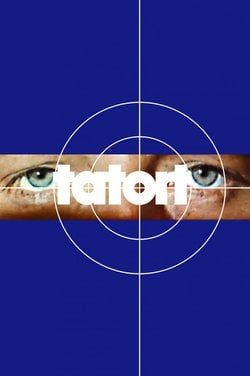
If there’s one show that has stood the test of time in the world of crime dramas, it’s undoubtedly Tatort. First airing on November 29, 1970, this German-language police procedural television series has become a staple in households across Germany, Austria, and Switzerland. Broadcasted on major channels like ARD, ORF 2, and SF1, Tatort has produced over 1200 episodes across its remarkable 55 seasons. Each episode is distinctively crafted by various regional broadcasters, showcasing unique settings and local customs while maintaining a thread of gripping crime-solving narratives.
One of the most compelling aspects of Tatort is its commitment to character depth and development. The format allows for feature-length episodes averaging around 90 minutes each—far longer than typical weekly dramas—which affords viewers an immersive experience into the lives of its protagonists. From iconic inspectors like Schimanski to contemporary favorites navigating complex cases in bustling cities or quiet towns, viewers get a multi-dimensional view of not just the crimes but the cultures surrounding them. This emphasis on character makes it easy for audiences to connect with their stories and invest emotionally in their fates.
The collaborative production model behind Tatort is another reason for its phenomenal longevity and success. Each participating regional TV station contributes uniquely styled episodes featuring different teams of inspectors solving crimes in their own cities—from scenic Vienna to vibrant Berlin—showcasing local architecture and dialects as integral parts of the plotline. This approach not only enriches each episode but also fosters a sense of community among viewers who may recognize their own locales being portrayed onscreen.