- Original release
- Previous episode S39E08 - Fremde im Spiegel
- Number S40E01
- Episode runtime 90 minutes
-
Director
Eoin Moore
-
Writer
Martin Farkas
- Country Germany
- Original language German
- Genres Drama, Crime, Thriller, Mystery
-
External links
TheTVDB page
IMDB page
TheMovieDB page -
Last update
3 octobre 2026 - 12:15
on 11 databases
Feindbild
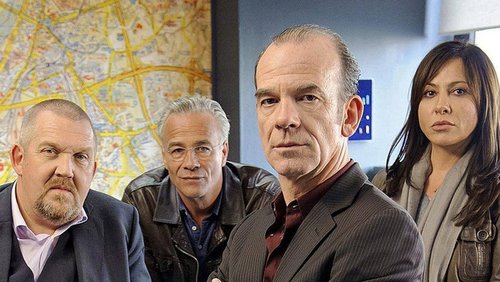
About the death of a man of Serbian nationality, the third Rostock case leads Katrin König and Alexander Bukow on the trail of the desperate father Lutz Brückmann, who has been trying in vain for years to hold a powerful Rostock pharmaceutical company accountable for the death of his daughter. As the commissioners discover in the course of the story, the tick vaccine given to the little girl had not been adequately tested. When the father suddenly gets tangible evidence that the corporation is to blame, he puts himself and his ex-wife in mortal danger, because he has tangled with a powerful adversary. While the commissioners try to follow his tracks, Bukow also encounters his great adversary Zoran Subocek and quickly finds himself in the dilemma of having to weigh his own interests against professional ones.

If there’s one show that has stood the test of time in the world of crime dramas, it’s undoubtedly Tatort. First airing on November 29, 1970, this German-language police procedural television series has become a staple in households across Germany, Austria, and Switzerland. Broadcasted on major channels like ARD, ORF 2, and SF1, Tatort has produced over 1200 episodes across its remarkable 55 seasons. Each episode is distinctively crafted by various regional broadcasters, showcasing unique settings and local customs while maintaining a thread of gripping crime-solving narratives.
One of the most compelling aspects of Tatort is its commitment to character depth and development. The format allows for feature-length episodes averaging around 90 minutes each—far longer than typical weekly dramas—which affords viewers an immersive experience into the lives of its protagonists. From iconic inspectors like Schimanski to contemporary favorites navigating complex cases in bustling cities or quiet towns, viewers get a multi-dimensional view of not just the crimes but the cultures surrounding them. This emphasis on character makes it easy for audiences to connect with their stories and invest emotionally in their fates.
The collaborative production model behind Tatort is another reason for its phenomenal longevity and success. Each participating regional TV station contributes uniquely styled episodes featuring different teams of inspectors solving crimes in their own cities—from scenic Vienna to vibrant Berlin—showcasing local architecture and dialects as integral parts of the plotline. This approach not only enriches each episode but also fosters a sense of community among viewers who may recognize their own locales being portrayed onscreen.