- Original release
- Previous episode S51E02 - Hildes Erbe
- Number S51E03
-
Director
Stefan Krohmer
-
Writer
Florian Oeller
- Country XG
- Original language German
- Genres Crime, Drama, Mystery, Thriller
-
External links
TheTVDB page
IMDB page
TheMovieDB page -
Last update
22 avril 2026 - 21:12
on 11 databases
Seine Familie kann man sich nicht aussuchen
A single mother and her son are found dead in a single-family home. She was murdered with several stabs. Her son, paralyzed from the neck down, died of a stroke because no one could change his IV. A death in complete loneliness. Katrin König investigates Jens Sommer, the ex-husband and father, as well as the Genth family, who were good friends with the Sommers. Do Jule and Holger Genth have something to do with the Sommers' death - or their foster children Emma and Max? When Max suddenly disappears and suspicions against him grow, Katrin König also joins the search.

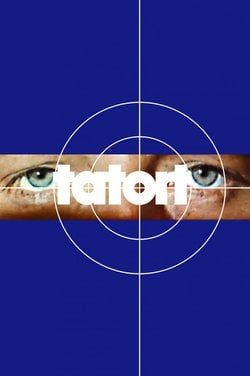
If there’s one show that has stood the test of time in the world of crime dramas, it’s undoubtedly Tatort. First airing on November 29, 1970, this German-language police procedural television series has become a staple in households across Germany, Austria, and Switzerland. Broadcasted on major channels like ARD, ORF 2, and SF1, Tatort has produced over 1200 episodes across its remarkable 55 seasons. Each episode is distinctively crafted by various regional broadcasters, showcasing unique settings and local customs while maintaining a thread of gripping crime-solving narratives.
One of the most compelling aspects of Tatort is its commitment to character depth and development. The format allows for feature-length episodes averaging around 90 minutes each—far longer than typical weekly dramas—which affords viewers an immersive experience into the lives of its protagonists. From iconic inspectors like Schimanski to contemporary favorites navigating complex cases in bustling cities or quiet towns, viewers get a multi-dimensional view of not just the crimes but the cultures surrounding them. This emphasis on character makes it easy for audiences to connect with their stories and invest emotionally in their fates.
The collaborative production model behind Tatort is another reason for its phenomenal longevity and success. Each participating regional TV station contributes uniquely styled episodes featuring different teams of inspectors solving crimes in their own cities—from scenic Vienna to vibrant Berlin—showcasing local architecture and dialects as integral parts of the plotline. This approach not only enriches each episode but also fosters a sense of community among viewers who may recognize their own locales being portrayed onscreen.