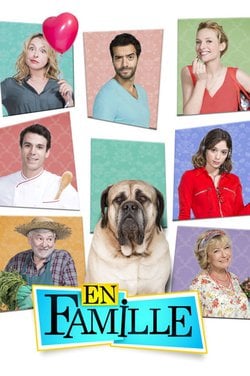
- Original release
- Previous episode S01E98 - Dernières parts / Amour fou / Aspirateur
- Number S01E99
- Episode runtime 4 minutes
- Country France
- Original language French
- Genre Comedy
-
External links
TheTVDB page
IMDB page
TheMovieDB page -
Last update
20 septembre 2026 - 05:30
on 11 databases
Chantons / Le vin / FFN
* Chantons : Cédric refuserait que Marion fasse du chant lyrique car elle a toujours dit que ça lui plaisait pas. Elle demande d'autres arguments et elle lui en demande d'autre. Il a du mal à en trouver, mais affirme qu'il y en a.
* Le vin : Huguette donne un vin de 1944 à Raymond, qui est l'année de sa naissance, qu'il dit adorer. Huguette goûte et découvre que c'est du vinaigre.
* FFN : José pense que Liliane reçoit du courrier de la Fédération Française de Natation, dite FFN, qui est en fait une fédération de naturisme, car Karine lui a proposé d'avoir une carte au cas où. Il s'énerve quelque peu à l'idée qu'elle aie sa carte pour être nue au milieu d'inconnus.

In the realm of French television, "Un gars, une fille" stands out as a timeless classic that brings laughter and romance right into your living room. With its unique ability to deliver humor through everyday situations faced by couples, this series is perfect for anyone looking to enjoy a light-hearted yet deeply relatable comedy. Spanning six seasons with an impressive 558 episodes, "Un gars, une fille" has cemented itself as a staple in the genres of comedy, family, and romance.
The series stars Jean Dujardin as Jean and Alexandra Lamy as Alex—a dynamic duo who effortlessly bring their characters to life with charm and wit. Known from acclaimed projects like "Dix pour cent" and "LOL: Qui rit sort !", both actors have carved significant niches in the entertainment world. Within "Un gars, une fille", they portray a couple in their thirties dealing with life's everyday hassles—providing viewers with scenarios that are both comedic and heartwarming.
Season 1 kicks off with episodes that perfectly set the tone for what’s to come. Episode one opens with Jean inadvertently revealing a major plot twist from Alex's murder mystery book—a move that hilariously sets them at odds. Their playful banter over films like "9 Semaines et demie" adds layers of humor that resonate deeply with audiences familiar with relationship dynamics. Each episode explores themes such as familial obligations—like lunching at one's mother-in-law—and personal dilemmas depicted through humorous lenses.