- Original release
- Previous episode S20E13 - Feuer und Wasser
- Number S20E14
- Episode runtime 50 minutes
- Country Germany
- Original language German
- Genres Crime, Drama
-
External links
TheTVDB page
IMDB page
TheMovieDB page -
Last update
22 août 2026 - 18:15
on 11 databases
Piraten
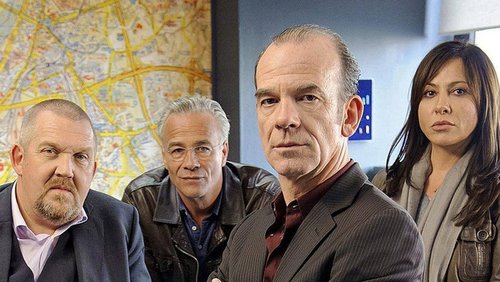
Eine neue Form des Verbrechens hält Einzug in München: Carjacking. An Ampeln werden Autofahrer von Jugendlichen überfallen, die sie ausrauben und mit brutaler Gewalt zwingen, auf abenteuerlichsten Routen durch die Stadt zu fahren. Die Beamten der SOKO 5113, die eine Party anlässlich der Beförderung ihres Kollegen Theo Renner vorbereiten, ahnen nicht, dass ausgerechnet dieser ein Opfer der neuen Form von Straßenpiraterie geworden ist. Markus (Matthias Schloo) und Michael (Patrick Wolff) wollten Theo ursprünglich nur etwas Angst einjagen, als sie allerdings zufällig herausfinden, dass ihr Opfer ein ‚Bulle‘ ist, entwickelt sich Panik im Wagen. Um dem Albtraum ein Ende zu setzen, baut Theo absichtlich einen Unfall, bei dem allerdings ein Radfahrer schwer verletzt wird – Theo wird vorübergehend beurlaubt. Als er erfährt, dass der SOKO wegen vermeintlicher Befangenheit der Fall entzogen wird, ist der junge Beamte, von Schuld- und Rachegefühlen geplagt, fest entschlossen, die Ermittlungen auf eigene Faust fortzusetzen – notfalls mit Gewalt … (Text: ZDF)

Since its groundbreaking debut in 1971, Polizeiruf 110 has solidified its place as one of Germany's most beloved crime series. Originally produced by East German television (DFF) before being adopted by ARD institutions after reunification, this iconic show has captivated audiences with its intricate plots and compelling characters for over five decades. The series serves as a fascinating counterpart to West Germany's Tatort, offering viewers an enthralling blend of crime, drama, mystery, and thriller elements that keep them on the edge of their seats.
Set against the backdrop of a divided Germany and later reunified nation, Polizeiruf 110 offers more than just thrilling police investigations; it provides a unique lens into the social and political landscape of its time. This depth is one reason why it quickly became a crowd favorite and continues to resonate with audiences worldwide. With a staggering 55 seasons and 425 episodes under its belt, it's clear that Polizeiruf 110 is not just another TV show—it's an enduring cultural phenomenon.
The show's longevity can be attributed to its compelling characters who bring each episode's complex narratives to life. Viewers are introduced to an ensemble cast featuring standout performances from Peter Borgelt as Peter Fuchs, Sigrid Göhler as Vera Arndt, Jaecki Schwarz as Hauptkommissar Herbert Schmücke, Wolfgang Winkler as Hauptkommissar Herbert Schneider, among others. Their portrayals create rich character arcs that draw you into their world—a world filled with suspense and moral dilemmas.