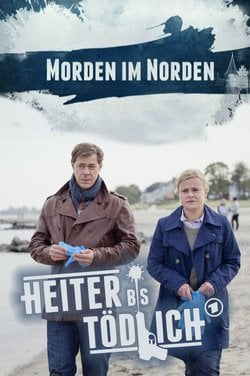
- Original release
- Previous episode S2019E36 - Thiel - 36 - Väterchen Frost
- Number S2019E37
- Episode runtime 90 minutes
- Country Germany
- Original language German
- Genres Drama, Crime, Mystery
-
External links
TheTVDB page
IMDB page
TheMovieDB page -
Last update
19 septembre 2026 - 05:55
on 11 databases
Batic - 82 - One Way Ticket
Die Münchner Hauptkommissare Batic und Leitmayr müssen in einem ungewöhnlichen Fall gleich in mehrfacher Hinsicht zeitliche und räumliche Grenzen überschreiten. Der angesehene Entwicklungsexperte einer NGO, die von Bayern aus Hilfsprojekte für Afrika organisiert, wird mit einem längst vergessen geglaubten Gift ermordet. Hinweise auf mögliche Täter oder ein Motiv sind zunächst rar.

If you’re a fan of crime dramas that delve into the intricate workings of police investigations, then "SOKO 5113" is a series you cannot afford to miss. Originating from Germany, this captivating show has been on air since January 2, 1978, and remains one of the longest-running series in its genre. With an impressive run of 46 seasons and over 683 episodes, "SOKO 5113" stands as a monumental testament to well-crafted storytelling and character development.
Set against the backdrop of Munich’s bustling cityscape, SOKO 5113 presents viewers with a realistic portrayal of criminal investigations devoid of exaggerated portrayals often seen in similar shows. The series title refers to the extension telephone number used by the head of SOKO, which adds an authentic touch to its depiction of police work. Inspired by Dieter Schenk’s real-life experiences as a crime director, who later penned these recollections into a novel titled "Der Durchläufer", this show brings genuine grit to its narratives.
Season 1 kicks off with an enthralling plot where KHK Karl Göttmann (played by Werner Kreindl) leads his team through a maze of thefts involving high-end cars and emerging drug market activities. The pilot episode introduces viewers to a complex web where crimes intertwine, leading Göttmann and his team onto paths lined with danger and deception. Each episode builds upon this foundation, unraveling mysteries layer by layer while keeping audiences at the edge of their seats.