- Original release
- Previous episode S00E155 - Polar Challenge
- Number S00E171
- Episode runtime 74 minutes
- Country United Kingdom
- Original language English
- Genres Comedy, Documentary, Talk Show, Travel
-
External links
TheTVDB page
IMDB page
TheMovieDB page -
Last update
16 août 2026 - 15:15
on 11 databases
S Top Gear: Apocalypse
Just what will motoring be like in a post apocalyptic world that's been blown to bits by nuclear bombs or a massive comet? It's a burning question that's on literally nobody's mind, and we give you all the answers in this brand new, incredibly cheerful Top Gear DVD. Embarking on a terrifying journey into the future, we show you how to drive to work in the perpetual darkness of a Nuclear Winter, how to make motor sport exciting when there's only two racing drivers left alive, and, in a world where all cars are bristling with weapons, how to survive the savage, explosive fury of a Doomsday M.O.T test. And amongst all the nuclear carnage, we also tackle the ultimate petrolhead's dilemma - what cars would you take for a final drive if there was only one barrel of petrol left on the planet? The explosions are huge, the cars are superb, so relax and enjoy. PS. This frightening vision of a post nuclear world is backed up by top scientists, in case you think it's us just cocking about.

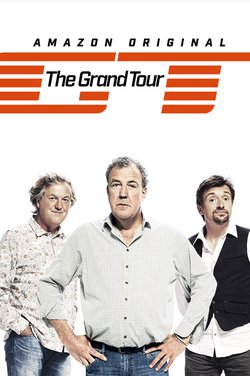
Spoiler warning: this post-finale analysis discusses events and themes from The Grand Tour Season 7, including the finale, which aired on Prime Video on September 4, 2026.
Season 7 of The Grand Tour arrived with an enormous challenge: how do you continue a series so closely associated with Jeremy Clarkson, Richard Hammond and James May without simply imitating them? Across its four episodes, the 2016 Prime Video hit leaned into that question rather than pretending it did not exist. Thomas, Francis and James were introduced with an official blessing from Clarkson in the premiere, and by the finale, the season had become less about replacing the original trio and more about proving that The Grand Tour is a format strong enough to survive a change in rhythm, chemistry and perspective.
The finale worked because it understood what viewers actually come to The Grand Tour for. Yes, the cars matter. Yes, the jokes matter. But the secret engine of the series has always been the collision between expertise, idiocy and friendship. Episode 4’s mission to discover “the strongest car ever made” could have been a simple excuse for destruction, and to be fair, it absolutely was that too. But the destructive tests had an old-school Grand Tour purity to them: a daft question treated with total seriousness, an escalating series of challenges, and the wonderful sense that no producer in the room had been brave enough to say, “Maybe this is too much.”