- Original release
- Previous episode S00E204 - Top Gear: The Perfect Road Trip
- Number S00E205
- Episode runtime 94 minutes
- Country United Kingdom
- Original language English
- Genres Comedy, Documentary, Talk Show, Travel
-
External links
TheTVDB page
IMDB page
TheMovieDB page -
Last update
16 août 2026 - 15:15
on 11 databases
S Top Gear: The Perfect Road Trip 2
In 2013 Jeremy Clarkson and Richard Hammond embarked on what they hoped would be the perfect road trip. It started well and ended, quite frankly, very badly. Unbowed, the Top Gear pair are back for another crack and this time they're hoping to avoid inconveniences like apprehension by the French police. Welcome, then, to The Perfect Road Trip... Italy. Once again, Clarkson and Hammond are seeking joy and perfection wherever it may be with a range of fast, beautiful and exciting cars unleashed on glorious roads amongst gorgeous scenery and drenched in Mediterranean sunshine. As part of their arduous research into perfection, the duo will also undertake some ridiculous challenges and hilarious stunts culminating in a strangely literal car race on the island of Capri. Top Gear - The Perfect Road Trip Italy. This time it really is perfect. Except for the bits that aren't.

Spoiler warning: this post-finale analysis discusses events and themes from The Grand Tour Season 7, including the finale, which aired on Prime Video on September 4, 2026.
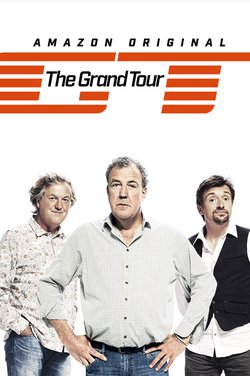
Season 7 of The Grand Tour arrived with an enormous challenge: how do you continue a series so closely associated with Jeremy Clarkson, Richard Hammond and James May without simply imitating them? Across its four episodes, the 2016 Prime Video hit leaned into that question rather than pretending it did not exist. Thomas, Francis and James were introduced with an official blessing from Clarkson in the premiere, and by the finale, the season had become less about replacing the original trio and more about proving that The Grand Tour is a format strong enough to survive a change in rhythm, chemistry and perspective.
The finale worked because it understood what viewers actually come to The Grand Tour for. Yes, the cars matter. Yes, the jokes matter. But the secret engine of the series has always been the collision between expertise, idiocy and friendship. Episode 4’s mission to discover “the strongest car ever made” could have been a simple excuse for destruction, and to be fair, it absolutely was that too. But the destructive tests had an old-school Grand Tour purity to them: a daft question treated with total seriousness, an escalating series of challenges, and the wonderful sense that no producer in the room had been brave enough to say, “Maybe this is too much.”