- Original release
- Previous episode S03E12 - Do Aliens Exist?
- Number S03E13
- Country United States
- Genre Special Interest
-
External links
YouTube page
-
Last update
5 juillet 2023 - 09:05
on 11 databases
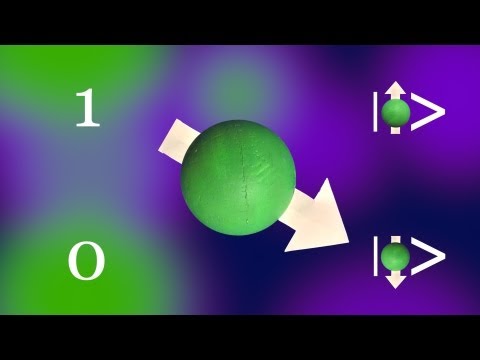
How Does a Quantum Computer Work?
For more on spin, check out: http://youtu.be/v1_-LsQLwkA
This video was supported by TechNYou: http://bit.ly/19bBX5G
A quantum computer works in a totally different way from a classical computer. Quantum bits or 'qubits' can exist in a superposition state of both zero and one simultaneously. This means that a set of two qubits can be in a superposition of four states, which therefore require four numbers to uniquely identify the state. So the amount of information stored in N qubits is two to the power of N classical bits.
Thank you to Andrea Morello and UNSW. For more info, check out: http://bit.ly/17wZ7lt

In today's digital age, where information is at everyone's fingertips, it's easy to get swept away by seemingly unbelievable content that inundates our screens daily. Whether it's a mind-boggling viral video or an uncanny photo circulating online, distinguishing fact from fiction has become increasingly challenging. Enter 'Captain Disillusion,' a TV series that not only entertains but educates viewers on deciphering the truth behind visual fakery.
The first season of 'Captain Disillusion' introduces us to a world where appearances are often deceptive, and what you see isn't always what you get. Our titular hero, Captain Disillusion, steps up to guide audiences through this labyrinth of digital deception with his signature blend of humor and analytical prowess. With 106 episodes in its debut season, there's no shortage of content for eager minds ready to learn about the intricate art of debunking.
Each episode serves as a masterclass in skepticism and critical thinking, starting with Episode 1, where Captain Disillusion confronts the bizarre concept of violent penguins and tackles attention-seeking visual effects creators. As we move into Episode 2, the captain turns his vectorscope towards Japan's digital curiosities, unraveling their mysteries with precision.