- Country United States
- Genres Action, Crime, Drama, History
- Runtime 41 minutes
- Total runtime 23 hours 14 minutes
- Status Ended
- Network Univision
-
Showrunner
Daniel Posada
José Manuel Cravioto
Ian Aspinall
Ernesto Contreras
Carlos Contreras
-
External links
TheTVDB page
IMDB page
TheMovieDB page -
Last update
9 avril 2023 - 10:05
on 11 databases
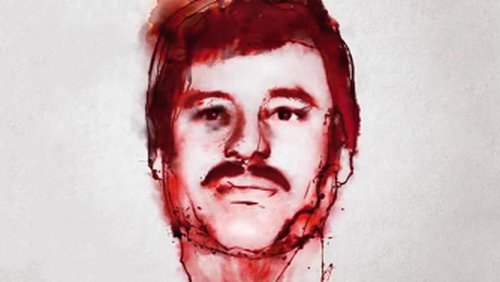
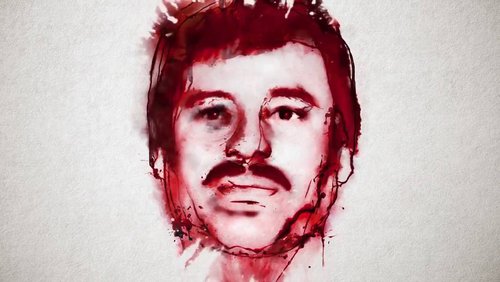
El Chapo
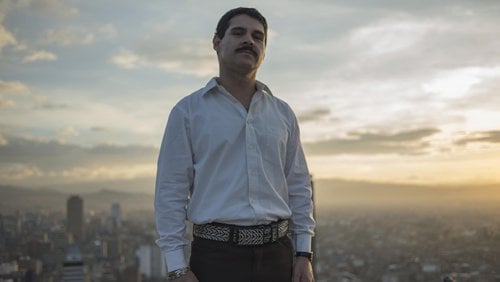
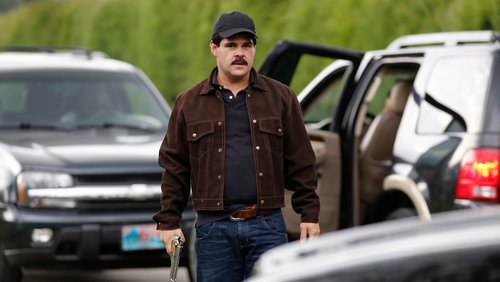
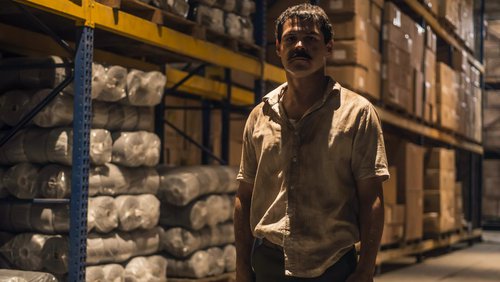
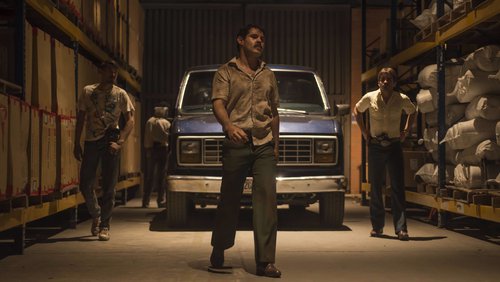
A look at the life of notorious drug kingpin, El Chapo, from his early days in the 1980s working for the Guadalajara Cartel, to his rise to power during the '90s and his ultimate downfall in 2016.

When it comes to gripping narratives that delve deep into the underbelly of organized crime, few stories are as compelling as that of Pablo Escobar. The Colombian biographical series "Pablo Escobar, The Drug Lord" (original title: "Escobar: El Patrón del Mal") takes viewers on an evocative journey through the life of one of history's most notorious drug lords. With its intense portrayal of crime, drama, and historical context, this series is a must-watch for anyone who enjoys thrilling television experiences.
Aired in 2012 and produced by Caracol TV, "Pablo Escobar, The Drug Lord" spans a total of 187 episodes across its single season. It begins dramatically with Escobar's last moments before his death at the hands of Colombian National Police before transporting us back to his childhood days in Aburra Valley. This narrative approach not only provides insight into his early years but also sets up a complex backdrop against which his ruthless rise to power unfolds. As viewers follow young Pablo’s evolution from a petty thief to a formidable figure in cocaine trafficking, they gain an understanding of the motivations and circumstances that shaped him.
One of the standout features of this series is its multifaceted character portrayals that bring authenticity to each scene. Andrés Parra delivers an unforgettable performance as Pablo Emilio Escobar Gaviria, bringing depth to a character who embodies both ambition and brutality. Alongside him are talented actors such as Angie Cepeda as Regina Parejo and Nicolás Montero portraying Luis Carlos Galán Sarmiento. Each character plays a pivotal role in illustrating not just Escobar's world but also how he interacted with those around him—ranging from family members to political figures—as he navigated through treacherous waters filled with betrayal and violence.