- Country France
- Original language French
- Genres Reality, Documentary, Crime, Mystery
- Runtime 90 minutes
- Total runtime 94 hours 30 minutes
- Status Ended
- Network France 2
-
Showrunner
Arnaud Poivre D'Arvor
Sébastien Bruneau
- IMDb rating 7.9/10 (18 votes)
-
External links
TheTVDB page
IMDB page
TheMovieDB page -
Last update
24 septembre 2026 - 14:40
on 11 databases
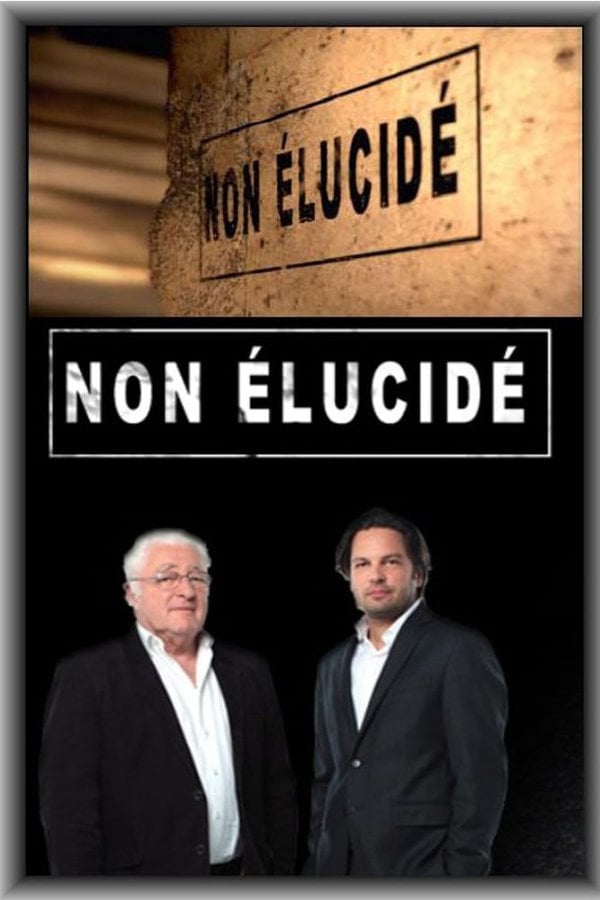
Non élucidé
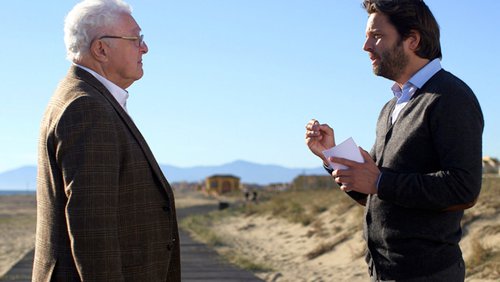
A case told like a real detective fiction, with the presence of the presenters on the places where the facts and the investigation took place. Over the course of the program, the different stages of the investigation are developed by explaining them. Indirectly the show hopes to awaken testimonies likely to bring new elements to investigators.

If you have a penchant for mystery and a curiosity about the darker side of human nature, then the French TV series "Au bout de l'enquête, la fin du crime parfait?" is a must-watch. This riveting show, hosted by the charismatic Marie Drucker, delves into cold cases—those haunting criminal investigations that have baffled authorities for decades. Each Saturday night, viewers are taken on an investigative journey that not only examines the details of each case but also sheds light on the evolution of criminal investigation techniques over time.
The first season sets the tone with compelling narratives that highlight real-life mysteries. In its inaugural episode, we meet Chantal de Chillou, whose tragic death in 2001 leaves more questions than answers. Missing connections and abrupt endings like these create a palpable tension throughout each story, drawing audiences deeper into the intricate web of clues and theories presented by experts. With each new case—from disappearances to brutal crimes—the series showcases how even after years of silence, forgotten evidence can resurface to alter perceptions and provide closure to families still searching for truth.
A unique feature of "Au bout de l'enquête" is its collaboration with criminologist Alain Bauer. His insights lend a scholarly perspective that enriches the storytelling experience. By examining psychological profiles or historical contexts related to each case, viewers gain a more profound understanding of not just what happened but why it matters within society's fabric. The interplay between Marie’s engaging presentation and Bauer’s analytical approach makes for an educational yet thrilling viewing experience.