- Orijinal sürüm
- Önceki bölüm S01E391 - The kanchanjanga apartments in Mumbai
- Sayı S01E392
-
Dış bağlantılar
YouTube dosyası
-
Son güncelleme
24 juillet 2023 - 14:08
11 veritabanında
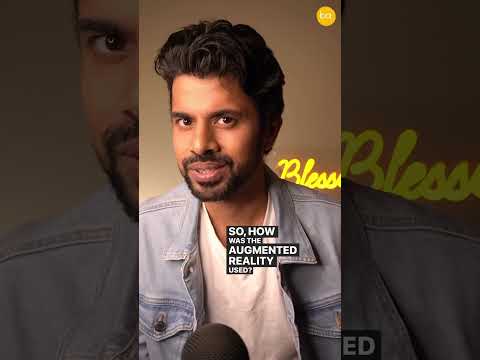
Holographic brick laying with AR
Fologram collaborated with All Brick and the University of Tasmania to build a small feature using an interactive mixed reality model to show the precise location of each brick in the design. Removing the need to create templates, check drawings or take physical measurements to determine the location of bricks meant that constructing the wall from approximately 600 uniquely positioned bricks reduced build from from an estimated 2 weeks to only 6.5 hours of bricklaying.
Once a digital model has been produced showing each brick in the design, developing the holographic instructions is as simple as sorting bricks by height and showing one course at a time. This was further improved to show only an outline of the top face of each brick, enabling bricklayers to use this as a virtual boundary during placement.
This approach generalizes to all small scale bricklaying, as the precision of the HoloLens is well within the tolerances of general construction. We evaluated this by taking a lidar scan of the project and measuring the deviation between the scan and the digital model using during construction.
You can find the research paper about this project on the link in the bio
#architecture #design #research #brick #bricks #bricklaying #brickbybrick #hololens #microsoft #ar #augmentedreality #shorts
Join this channel to get access to perks:
https://www.youtube.com/channel/UCSp1I5DAJX6CnW_FutqNj5g/join
Support Blessedarch via Patreon:
https://www.patreon.com/blessedarch
For Paypal use the email : [email protected]
Join the Blessedarch Newsletter:
https://mailchi.mp/0a6a721c6f04/ba-newsletter
Daily Architecture Facts on Instagram :
https://www.instagram.com/blessedarch
Username : Blessedarch
Send Your Portfolios for the next episode at [email protected]
Want to showcase your Thesis on the Blessedarch Platform? Reach out at [email protected]