- Original release
- Previous episode S05E14 - Partners in Death
- Number S05E15
-
Director
Chuck Bowman
- Country United States
- Original language English
- Genres Action, Crime, Drama
-
External links
TheTVDB page
IMDB page
TheMovieDB page -
Last update
8 avril 2026 - 08:12
on 11 databases
Death Trip
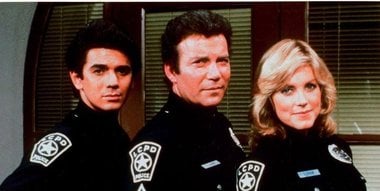
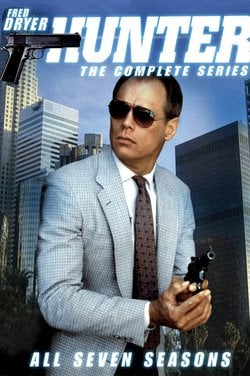
A friendly LCPD baseball game is interupted by a shooting, when a passing man, out for a walk with his daughter, is shot in an attempted execution. The wounded man is none other than Russ Paterno, a retired mobster who is now an informant and has been helping the F.B.I. With the valuable information Paterno continues provide them, the Feds are eager to keep him alive, and ask Hooker make sure no harm comes to him. Behind the shooting, and several similar executions, is a militant, right-wing paramilitary group called P.F.A.D.W. - ""People For A Decent World"", who's maniacal leader is determined to wipe out any and every individual he sees as responsible for bringing the world down...
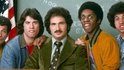
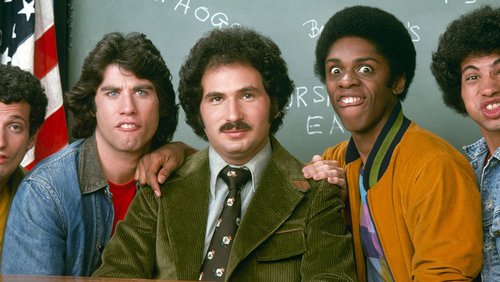
In the vibrant world of television sitcoms, few shows have left an indelible mark quite like 'Welcome Back, Kotter'. Originally airing from September 9, 1975 to May 17, 1979, this classic series brought audiences laughter alongside valuable life lessons. The show centers on Gabe Kotter (played by Gabe Kaplan), a former remedial student who returns to his old high school, James Buchanan High in Brooklyn, as a teacher. Here he takes charge of a motley crew known as the Sweathogs – a group of underachieving but lovable students including Vinnie Barbarino (John Travolta), Freddie Washington (Lawrence Hilton-Jacobs), Juan Epstein (Robert Hegyes), and Arnold Horshack (Ron Palillo).
The charm of *'Welcome Back, Kotter'* lies not only in its comedic elements but also in its authentic portrayal of the struggles faced by students during their formative years. Each episode is infused with humor and warmth as Mr. Kotter attempts to connect with his challenging class while dealing with their antics. The dynamic between teacher and students serves as a reminder that education is not just about academics; it's about understanding individual struggles and fostering personal growth. This relatability resonates deeply with anyone who has ever navigated the tricky waters of high school.
As we delve into Season 1's episodes, viewers are treated to unforgettable moments that highlight both the hilarity and heartwarming connections formed within this diverse classroom setting. For instance, in Episode 2, Freddy's misguided belief in his basketball prowess leads him to draw pictures on his test instead of studying. This plotline cleverly illustrates how self-delusion can often hinder one's potential—a theme that's prevalent throughout the series. Such episodes not only entertain but also impart crucial life lessons for viewers young and old.