- Original release
- Previous episode S07E04 - Wine Knot
- Number S07E05
- Episode runtime 45 minutes
-
Director
Jeffrey D. Brown
- Country United States
- Original language English
- Genre Drama
-
External links
TheTVDB page
IMDB page
TheMovieDB page -
Last update
9 avril 2026 - 22:12
on 11 databases
My Friend Flicker
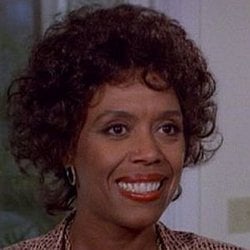
Melman resigns as office manager and returns to working for Becker; McKenzie represents a friend in a reverse discrimination case; Markowitz struggles to overcome his fear of identifying his attackers; Melman asks Mullaney to father her child; Brackman begins his memoirs; studio mogul Ben Flicker takes Becker under his wing after Becker devises a creative financial approach to settling Flicker's daughter's divorce; Taylor's anonymous admirer continues to send her presents; Markowitz buys a gun for protection.

If you're searching for a gripping legal drama that challenges the boundaries of ethics, morality, and personal conviction, look no further than *The Practice*. This American television series, created by David E. Kelley, aired from March 4, 1997, to May 16, 2004. With eight seasons and a total of 168 episodes, *The Practice* offers an in-depth look at the lives of defense attorneys working at the fictional law firm of Donnell Young Dole & Frutt. The show deftly balances humor with serious themes, exploring the moral complexities that come with defending clients in high-stakes cases.
In Season 1, viewers are introduced to an ensemble cast led by Dylan McDermott as Bobby Donnell and Camryn Manheim as Ellenor Frutt. Each character brings their own unique perspective to the practice of law. For instance, Eugene Young (played by Steve Harris) often finds himself grappling with personal issues while trying to protect vulnerable clients from abusive partners or oppressive systems. The interplay between each attorney's professional life and their personal struggles creates an engaging narrative that hooks viewers from the very first episode.
One notable aspect of *The Practice* is its commitment to addressing contemporary social issues through its storylines. From domestic abuse to corporate malfeasance involving big tobacco companies, Season 1 tackles topics that are just as relevant today as they were during its original airing. In Episode 1, Bobby defends a young girl charged with drug possession while Lindsay faces off against her former law professor in a case against a tobacco giant—a plot that highlights both legal strategy and moral ambiguity.