- Original release
- Previous episode S12E23 - Oxymoron
- Number S12E24
- Episode runtime 45 minutes
-
Director
David Platt
-
Writers
Sean Jablonski
William N. Fordes
- Country United States
- Original language English
- Genres Drama, Crime
-
External links
TheTVDB page
IMDB page
TheMovieDB page -
Last update
14 octobre 2026 - 06:25
on 11 databases
Patriot
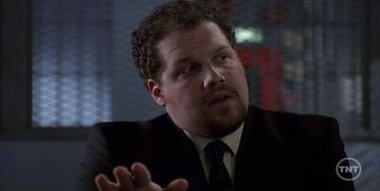
A tenement building explodes and the lone victim is Joseph Haden. The building was rent controlled and there had been a tenant strike, so the police initially suspect arson. But the landlord doesn't have insurance, ruling out their arson theory, and the medical examiner discovers that Haden's neck was broken and he was tied up before the explosion happened. Trying to figure out Haden is even more difficult. He didn't appear to have a family or a girlfriend and never got any substantial mail. He worked at the Jiffy Job service station making minimum wage, yet had $90,000 in the bank. Briscoe and Green do some more digging and find out that Haden was using an alias, and his real name was Yusuf Haddad.
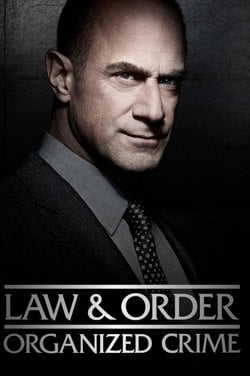
If you're a fan of gripping crime dramas, then *Law & Order: Organized Crime* is a series that you cannot afford to miss. Premiering on April 1, 2021, on NBC, this show marks the return of the iconic Detective Elliot Stabler, played masterfully by Christopher Meloni. This remarkable spin-off from the beloved *Law & Order* franchise delves into the dark underbelly of New York's organized crime scene and explores how personal loss can shape one's journey for justice.
The show kicks off with Stabler rejoining the NYPD after experiencing a devastating tragedy—the murder of his wife. The emotional weight carried by Stabler as he navigates his grief while trying to dismantle the crime syndicate responsible is palpable throughout Season 1. His character development is enriched by an impressive supporting cast that includes Danielle Moné Truitt as Sergeant Ayanna Bell, Ainsley Seiger as Detective Jet Slootmaekers, and Dylan McDermott as Richard Wheatley—a businessman with deep ties to organized crime. Each character brings their own unique flair and depth to the storyline, making it an engaging watch.
One aspect that sets *Law & Order: Organized Crime* apart from other series in its genre is its focus on interconnected story arcs. The first season consists of 12 episodes filled with suspenseful twists and turns that build upon each other, leading viewers through a labyrinth of criminal activity while maintaining strong emotional stakes. Episodes often feature investigations that reveal more than just crimes; they dive into themes of morality, justice, and the impact that organized crime has on communities. This layered storytelling offers viewers not just entertainment but also food for thought—ideal for anyone looking for more than just surface-level drama.