- Original release
- Previous episode S45E02 - Der Preis der Freiheit
- Number S45E03
- Episode runtime 90 minutes
-
Director
Matthias Tiefenbacher
-
Writer
Stefan Rogall
- Country Germany
- Original language German
- Genres Drama, Crime, Thriller, Mystery
-
External links
TheTVDB page
IMDB page
TheMovieDB page -
Last update
3 octobre 2026 - 12:15
on 11 databases
Endstation
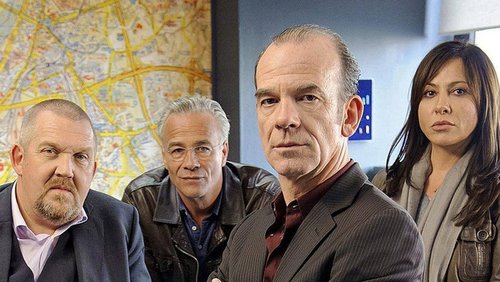
Marco – ein Pflegekind – fällt mitten auf der Straße tot um. Am Körper des Jungen findet die Rechtsmedizin Spuren, die eindeutig auf körperliche Misshandlung hinweisen. Außerdem trägt der Junge eine auffallend teure Uhr. Die bisher vom Jugendamt geschätzte und als zuverlässig eingeordnete Familie Schilchow gerät in den Focus der Ermittlungen der Kommissare Brasch und Köhler. Die Situation innerhalb der Familie scheint bei näherem Hinsehen nicht so harmonisch, wie vom Jugendamt geschildert. Sascha, der Bruder des toten Marco, ist kein einfaches Kind. Die beiden Geschwister kamen zu der Pflegefamilie, da ihre leibliche Mutter, Manuela Siebrecht, drogenabhängig ist und ihre Kinder nicht mehr versorgen kann.

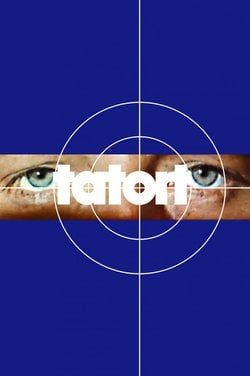
If there’s one show that has stood the test of time in the world of crime dramas, it’s undoubtedly Tatort. First airing on November 29, 1970, this German-language police procedural television series has become a staple in households across Germany, Austria, and Switzerland. Broadcasted on major channels like ARD, ORF 2, and SF1, Tatort has produced over 1200 episodes across its remarkable 55 seasons. Each episode is distinctively crafted by various regional broadcasters, showcasing unique settings and local customs while maintaining a thread of gripping crime-solving narratives.
One of the most compelling aspects of Tatort is its commitment to character depth and development. The format allows for feature-length episodes averaging around 90 minutes each—far longer than typical weekly dramas—which affords viewers an immersive experience into the lives of its protagonists. From iconic inspectors like Schimanski to contemporary favorites navigating complex cases in bustling cities or quiet towns, viewers get a multi-dimensional view of not just the crimes but the cultures surrounding them. This emphasis on character makes it easy for audiences to connect with their stories and invest emotionally in their fates.
The collaborative production model behind Tatort is another reason for its phenomenal longevity and success. Each participating regional TV station contributes uniquely styled episodes featuring different teams of inspectors solving crimes in their own cities—from scenic Vienna to vibrant Berlin—showcasing local architecture and dialects as integral parts of the plotline. This approach not only enriches each episode but also fosters a sense of community among viewers who may recognize their own locales being portrayed onscreen.