- Original release
- Previous episode S44E14 - Überleben
- Number S44E15
- Episode runtime 50 minutes
- Country Germany
- Original language German
- Genres Crime, Drama
-
External links
TheTVDB page
IMDB page
TheMovieDB page -
Last update
22 août 2026 - 18:15
on 11 databases
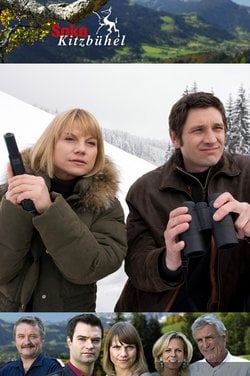
Fischerstechen
Der Sohn eines Schifffahrt-Unternehmens, Leo Gschwendtner, ertrinkt bei einer abendlichen Spaßaktion, dem traditionellen Fischerstechen, im See.
Die Obduktion ergibt, dass er vergiftet wurde. Das Gift wurde mithilfe einer präparierten Lanze für das Fischerstechen injiziert. Zunächst gerät sein Spezl Hansi Schwarz in Verdacht. Er ist bekennender Umweltschützer und hat als solcher gleich ein doppeltes Motiv.
Die Schifffahrt mit einem alten Kahn verdreckt das Gewässer, und das Fischerstechen schadet der Vogelwelt der Region. Aber auch Mia Grüner gerät ins Visier der Kommissare. Leo hatte heimlich Nacktfotos von ihr geschossen, mit denen er ihren Vater, den Landrat Karl Grüner, erpressen wollte.
Karl Grüner gerät darüber selbst in Verdacht, als sich herausstellt, dass er das eigentliche Opfer der Giftattacke hätte sein sollen. Und die Mutter des Opfers, Verena Gschwendtner, gibt den Kommissaren ebenfalls Rätsel auf. (Text: ZDF)

Since its groundbreaking debut in 1971, Polizeiruf 110 has solidified its place as one of Germany's most beloved crime series. Originally produced by East German television (DFF) before being adopted by ARD institutions after reunification, this iconic show has captivated audiences with its intricate plots and compelling characters for over five decades. The series serves as a fascinating counterpart to West Germany's Tatort, offering viewers an enthralling blend of crime, drama, mystery, and thriller elements that keep them on the edge of their seats.
Set against the backdrop of a divided Germany and later reunified nation, Polizeiruf 110 offers more than just thrilling police investigations; it provides a unique lens into the social and political landscape of its time. This depth is one reason why it quickly became a crowd favorite and continues to resonate with audiences worldwide. With a staggering 55 seasons and 425 episodes under its belt, it's clear that Polizeiruf 110 is not just another TV show—it's an enduring cultural phenomenon.
The show's longevity can be attributed to its compelling characters who bring each episode's complex narratives to life. Viewers are introduced to an ensemble cast featuring standout performances from Peter Borgelt as Peter Fuchs, Sigrid Göhler as Vera Arndt, Jaecki Schwarz as Hauptkommissar Herbert Schmücke, Wolfgang Winkler as Hauptkommissar Herbert Schneider, among others. Their portrayals create rich character arcs that draw you into their world—a world filled with suspense and moral dilemmas.