- Original release
- Previous episode S02E04 - Godspeed
- Number S02E05
-
Director
David Grossman
-
Writers
Mark Fergus
Hawk Ostby
- Country United States
- Original language English
- Genres Drama, Mystery, Science-Fiction, Suspense, Thriller
-
External links
TheTVDB page
IMDB page
TheMovieDB page -
Last update
1 février 2026 - 01:13
on 11 databases
Home
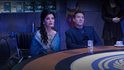
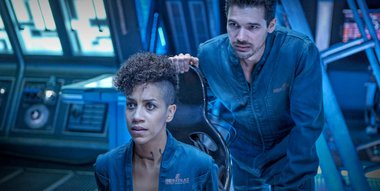
The Rocinante chases the asteroid Eros as it hurtles towards Earth.

In the vast expanse of the universe, where humanity teeters on the edge of extinction, *Battlestar Galactica* (2003) offers viewers an exhilarating blend of action, adventure, drama, and deep philosophical inquiry. This critically acclaimed series transports audiences to a time when civilization exists among the Twelve Colonies, each facing annihilation at the hands of their own creation: the Cylons. With its intricate plotlines and richly developed characters, this show promises an immersive experience that will keep you on the edge of your seat.
The first season introduces us to Commander William Adama (played masterfully by Edward James Olmos) and President Laura Roslin (Mary McDonnell), who must navigate their fragile fleet through perilous space as they search for Earth—a fabled refuge from destruction. The initial episodes showcase intense scenarios where every 33 minutes brings new danger from Cylon pursuers. The pacing is relentless; it mirrors both the physical exhaustion felt by its characters and the emotional toll taken on survivors as they grapple with leadership doubts and dwindling hope.
One standout feature of *Battlestar Galactica* is its complex characters woven into a rich narrative tapestry. Each character—from the fierce warrior Kara 'Starbuck' Thrace (Katee Sackhoff) to the conflicted scientist Gaius Baltar (James Callis)—brings unique depth to the story. For instance, Starbuck evolves from a reckless pilot into a key figure responsible for training civilian pilots after tragedy befalls her squadron. These character arcs are not just about survival; they delve into moral dilemmas that question what it means to be human in dire circumstances—an exploration that resonates strongly with fans of other science fiction shows like *Westworld* or *The Expanse*.