- Original release
- Number S01E01
-
Director
Reed Morano
-
Writer
Margaret Atwood
- Country United States
- Genres Drama, Science-Fiction, Thriller
-
External links
TheTVDB page
IMDB page
TheMovieDB page -
Last update
31 août 2025 - 13:15
on 11 databases
Video : Offred
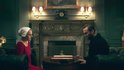
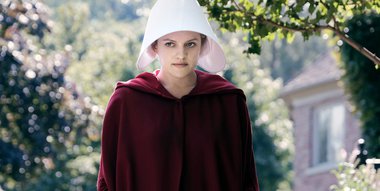
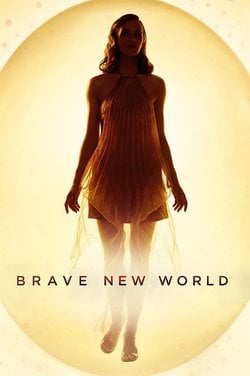
Offred, one the few fertile women known as Handmaids in the oppressive Republic of Gilead, struggles to survive as a reproductive surrogate for a powerful Commander and his resentful wife.

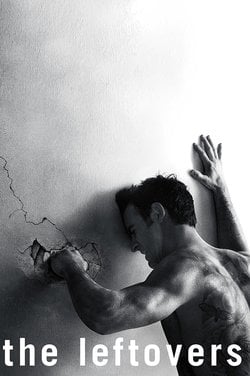
In a world where 2% of the global population has inexplicably vanished, HBO's "The Leftovers" presents a haunting narrative that delves into the complexities of grief, faith, and the human experience. Created by Damon Lindelof and Tom Perrotta, this supernatural drama captivates with its compelling storytelling and richly developed characters. The first season introduces us to Mapleton, New York, where residents grapple with an event known as the "Sudden Departure," which leaves them questioning their beliefs and purpose. With stellar performances from an ensemble cast including Justin Theroux as Kevin Garvey and Carrie Coon as Nora Durst, this series not only entertains but also invites viewers to ponder deeper philosophical questions about loss and redemption.
As we follow Kevin Garvey, the local police chief portrayed by Theroux, we witness his struggles to maintain order in a town that feels more like a ghost town than ever before. His wife Laurie (Amy Brenneman) joins the nihilistic cult known as the Guilty Remnant, further complicating their family dynamics as their son Tommy (Chris Zylka) becomes involved with Holy Wayne, who claims to be the Second Coming. Meanwhile, daughter Jill (Margaret Qualley) navigates her own turbulent adolescence amidst chaos. This unique blend of personal stories set against a backdrop of societal upheaval makes for riveting television that resonates on multiple levels.
Each episode builds upon the themes of despair and hope while showcasing how different individuals cope with their losses. For instance, in Episode 1, we see Mapleton's residents debating whether to hold a tribute for those who disappeared—a poignant reflection on how society processes grief collectively versus individually. The interactions between characters reveal layers of emotion; they are relatable yet complex. As tensions rise within families and communities due to differing beliefs about what happened during the Sudden Departure, viewers are drawn into their struggles—echoing real-world conflicts surrounding faith and understanding.