- Country United States
- Original language English
- Genres Drama, Crime
- Runtime 61 minutes
- Total runtime 7 hours 7 minutes
- Status Continuing
- Network HBO
-
Showrunner
Brad Ingelsby
-
External links
TheTVDB page
IMDB page
TheMovieDB page -
Last update
22 septembre 2026 - 09:15
on 11 databases
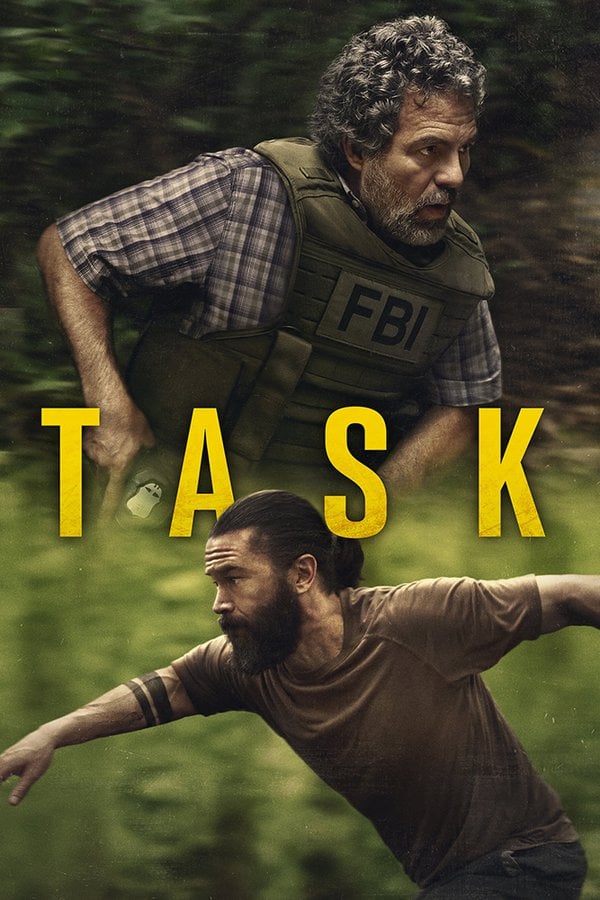
Task
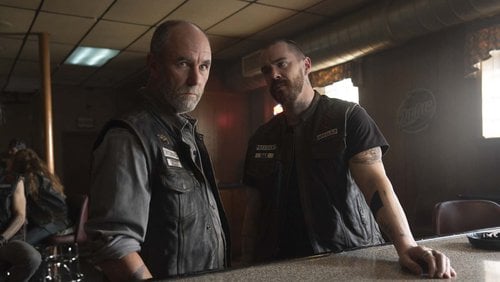
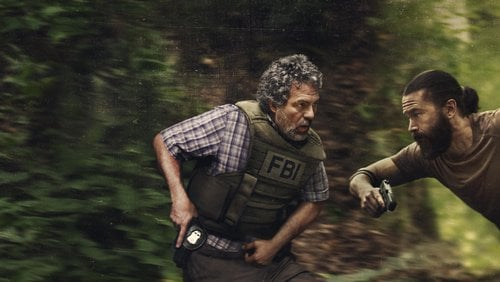
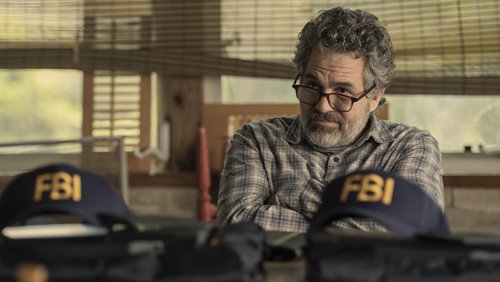
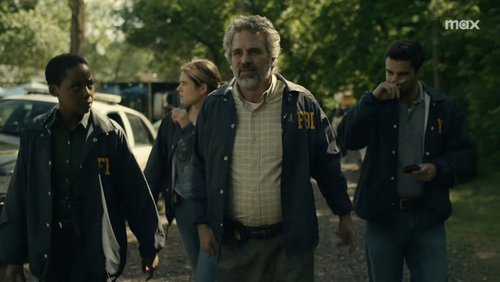
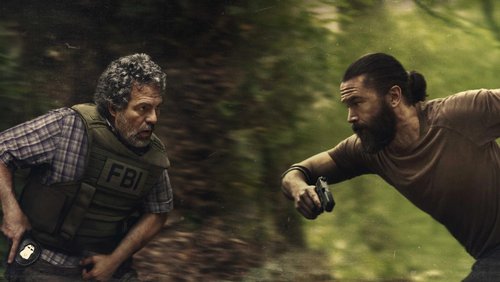
FBI Agent Tom heads a special team in a suburban area of Philadelphia, with the mission to halt a series of burglaries targeting drug houses, surprisingly orchestrated by a man who, on the surface, appears to be just an ordinary family guy.

In recent years, television has seen a surge of powerful narratives that explore diverse perspectives, and *Duster* is no exception. Created by J.J. Abrams and LaToya Morgan, this new crime thriller set in 1972 follows Nina Hayes (played by Rachel Hilson), the first Black female FBI agent, on her mission to dismantle a growing crime syndicate in the Southwest. Alongside her is Jim Ellis (Josh Holloway), an unwilling getaway driver who becomes embroiled in a web of corruption and danger. This thrilling premise not only captures attention but also shines a light on representation within law enforcement during a pivotal era in American history.
The strength of *Duster* lies not just in its plot but also in its richly developed characters. Josh Holloway, known for his roles in iconic series like *Lost* and *Yellowstone*, delivers an outstanding performance as Jim Ellis—a character who grapples with personal dilemmas while being drawn deeper into Nina's world of investigation. Rachel Hilson complements him perfectly as Nina Hayes, embodying determination and intelligence as she navigates through challenges unique to her role as an African American woman in the FBI during the 1970s. The supporting cast includes notable talents like Keith David, whose portrayal of crime boss Ezra Saxton adds depth and complexity to the narrative.
As viewers follow Nina and Jim's journey over eight gripping episodes, they will encounter thrilling twists that keep them on the edge of their seats. Episode one sets up their uneasy partnership when Nina targets Jim for his skills while uncovering shocking layers of corruption within their ranks. As they delve deeper into their investigation across subsequent episodes, we witness not only action-packed sequences but also moments that highlight human resilience against systemic obstacles—making it more than just another crime drama.