- Genres Crime, Drama, Mini-Series
- Runtime 45 minutes
- Total runtime 4 hours 30 minutes
- Status Ended
- Network Netflix
-
External links
TheTVDB page
IMDB page
TheMovieDB page -
Last update
20 août 2022 - 00:06
on 11 databases
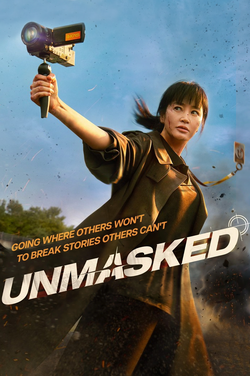
The Journalist
A dedicated journalist doggedly pursues the truth about a government corruption scandal even as powerful enemies seek to neutralize her reporting.

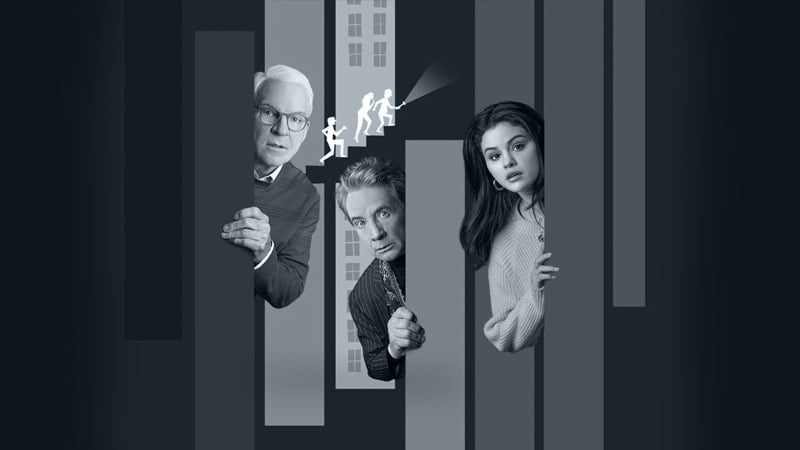
Season 2 of The Lowdown (2025) premieres in 10 days, on October 14, 2026, and the timing could not be better for viewers who like their crime dramas messy, local and powered by characters who cannot leave well enough alone. The Disney+ series follows Lee Raybon, played by Ethan Hawke, a self-styled Tulsa “truthstorian” whose idea of public service is digging until someone dangerous starts digging back. After an eight-episode first season that established its mix of crime, suspense and darkly comic civic obsession, The Lowdown is lining up a second season that looks ready to push Lee into even more uncomfortable public territory.
For anyone who watched Season 1 and then let the details fade, here is the essential refresher: Lee Raybon is not a polished newsroom hero. He is a citizen journalist with a gift for finding rot under respectable surfaces and a habit of turning every clue into a personal crusade. The show’s Tulsa setting matters, because The Lowdown is less interested in glossy national conspiracies than in the local networks of power, grudges, family secrets and favors that make a city feel both intimate and dangerous. Lee’s search for the truth has never been clean. It strains relationships, attracts enemies and turns ordinary civic spaces into crime scenes of reputation and memory.
That is what makes the Season 2 premiere hook so intriguing. Episode 1 is titled around a wonderfully loaded premise: Lee’s acceptance speech for Citizen Journalist of the Year leaves quite an impression. In a lesser series, an award might be a victory lap. In The Lowdown, it sounds like a fuse. The phrase alone suggests public embarrassment, accidental revelation, calculated provocation or all three at once. Lee being honored by the very world he keeps irritating is exactly the kind of contradiction the series knows how to exploit. He wants recognition for telling the truth, but recognition also means a bigger spotlight, more scrutiny and a larger audience for every reckless word.