- Sortie originale
- Épisode précédent S01E1271 - Why Hustle Culture Was Never Meant to Work... |…
- Numéro S01E1272
-
Liens externes
Fiche YouTube
-
Dernière mise à jour
12 novembre 2026 - 09:53
sur 11 bases de données
Why Female Power In Movies & TV Always Comes With a Catch... | Compilation
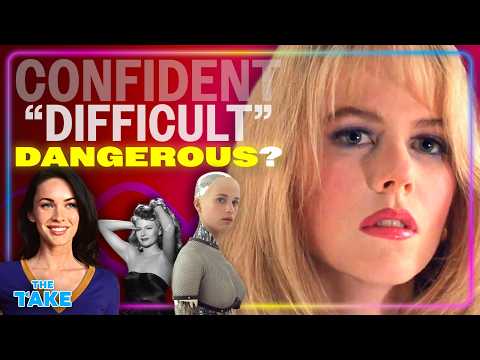
Powerful women on screen have long been treated as dangerous, difficult... or even not quite human. From the classic femme fatale to the so-called “difficult woman” to the fembot, film and TV have repeatedly framed female power as something that needs to be controlled, punished, and often stripped of agency.
We're diving back into some of our Takes breaking down these three enduring tropes to explore what they reveal about Hollywood’s discomfort with female autonomy. From Gilda to To Die For, Carrie Bradshaw to Miranda Priestly, and The Stepford Wives to Ex Machina, let's examine how women who are ambitious, assertive, or sexually confident are often turned into villains, threats, or fantasies — and how recent portrayals are beginning to challenge those patterns.
#Explained #Analysis #Femmefatale #Fembot #Tropes #Movies #TV #Compilation
CHAPTERS
00:00 Who is the Femme Fatale?
02:11 Why society fears "dangerous" women
07:17 Career ambition = evil?
13:02 Villains or victims?
16:03 How modern femme fatales are different
22:36 Wy women get labelled "difficult"
27:38 Embracing difficult behavior?
35:35 Fembots & the desire to control women
41:17 Fembots in horror
43:33 When fembots take back their power
Read articles on film, TV and culture: https://www.the-take.com
Follow our socials: https://linktr.ee/thisisthetake
The Take was created by Debra Minoff & Susannah McCullough