- Original release
-
Platform release date

- Previous episode S06E07 - Charisma
- Number S06E08
-
Director
Ted Kotcheff
-
Writer
Marjorie David
- Country United States
- Original language English
- Genres Crime, Drama, Mystery, Thriller
-
External links
TheTVDB page
IMDB page
TheMovieDB page -
Last update
2 mars 2026 - 07:33
on 11 databases
Doubt
When a college student claims rape and her professor claims it was consensual sex, Stabler and Benson find themselves in the middle of a he said, she said battle, trying to decide whether to believe the alleged victim, or the alleged perpetrator who claimed she liked it rough. Benson sides with Myra, the victim, whereas Stabler finds himself wondering if Polikoff is telling the truth about being innocent, especially after Myra falsely accuses Stabler of touching her inappropriately. After giving more thought to the situation, Benson and Stabler each wonder if the other is right. Stabler has bigger problems on his hands, though, as Myra's attorney reveals that Kathy has moved out and taken the children.

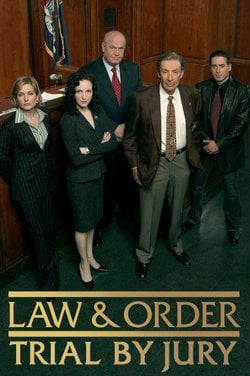
If you are a fan of crime dramas that delve deep into the psychology behind criminal behavior, then Law & Order: Criminal Intent is a must-watch for you. Premiering on September 30, 2001, this gripping police procedural drama series stands out within the acclaimed Law & Order franchise. With its compelling storytelling and rich character development, it provides an in-depth look into how detectives from the NYPD's Major Case Squad navigate high-profile cases involving murder, kidnappings, and major robberies.
The show's unique narrative structure sets it apart from other crime dramas. Each episode begins with a cold open that introduces viewers to the victim and suspects involved, creating suspense surrounding who committed the crime. With ten seasons and a total of 195 episodes to binge-watch, fans can immerse themselves in thrilling storylines that often reflect real-life events—true to the franchise's tradition of being "ripped from the headlines." From jewelry heists to art forgery scandals, each case expertly unfolds while maintaining tension and intrigue throughout.
At the heart of Law & Order: Criminal Intent are its dynamic lead characters—Detectives Robert "Bobby" Goren (played by Vincent D'Onofrio) and Alexandra Eames (portrayed by Kathryn Erbe). Their chemistry is palpable as they tackle complex cases while grappling with their own emotional tolls. Goren's unconventional methods often lead him to uncover deeper psychological motives behind crimes, allowing audiences to witness not just investigations but explorations into human behavior itself. This depth makes Goren one of television's most memorable detectives—a character whose struggles resonate with viewers beyond just his role as a cop.