- Country 🇺🇸 United States
- Original language English
- Genres Science-Fiction, Fantasy, Drama, Adventure, Action, Mystery
- Runtime 49 minutes
- Total runtime 9 hours 48 minutes
- Status Ended
- Network Disney+
-
Showrunner
Michael Waldron
- IMDb rating 8.2/10 (495K votes)
-
External links
TheTVDB page
IMDB page
TheMovieDB page -
Last update
21 novembre 2026 - 20:15
on 11 databases -
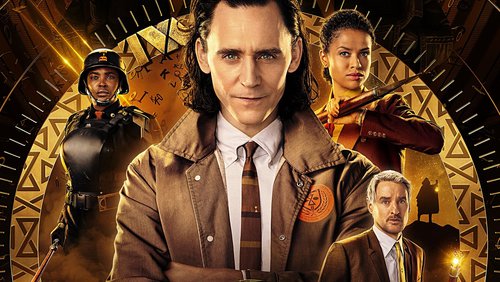
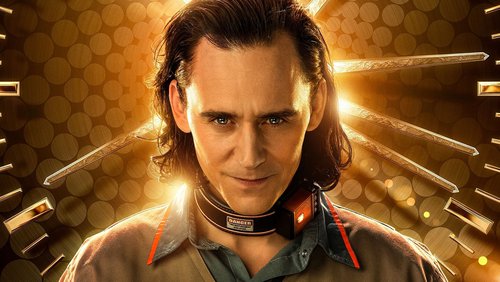
Loki
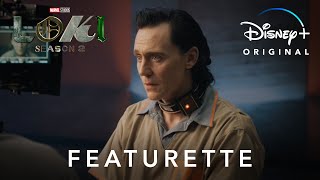
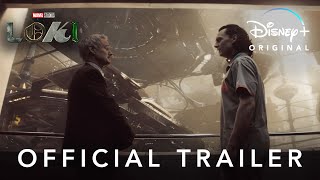
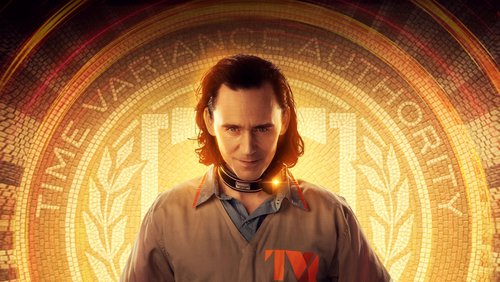
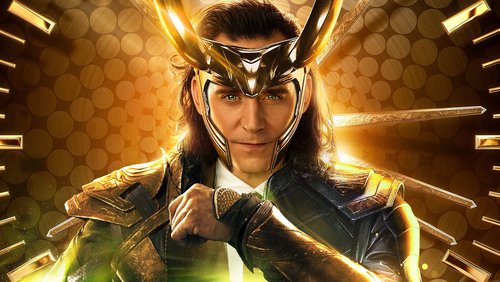
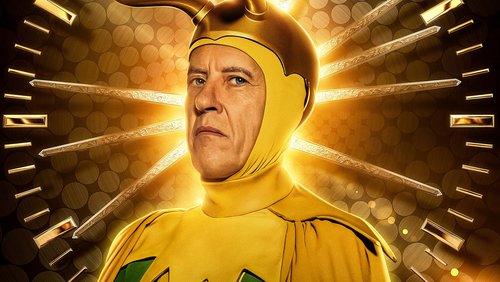
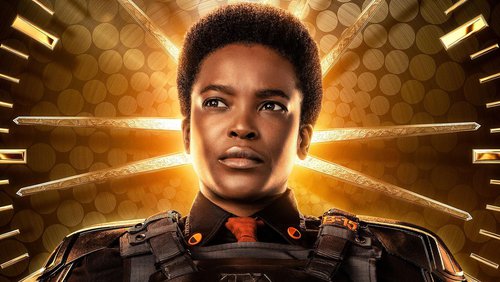
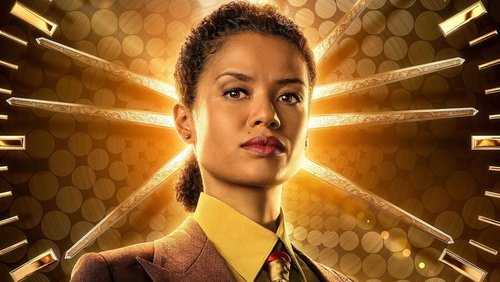
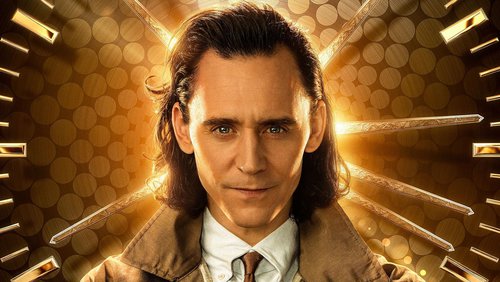
Loki is a series about the character who appeared in Thor in 2011 and is played by Tom Hiddleston.
The first season is part of phase 4 of the MCU. The second season is part of phase 5.
In 2012, in a nexus created by the Avengers' temporal rift, Loki escapes with the Tesseract. After his escape, he is taken to the Tribunal des Variations Anachroniques (or TVA, Time Variance Authority in VO), an organization that acts to stop anyone attempting to alter the past or future and protects the Eternal Temporal Flow. TVA agent Mr. Mobius (Owen Wilson) enlists his help, for better or for worse, to track down an alternative version of himself who is creating chaos at various points in time in a merciless battle against the TVA. She turns out to be Sylvie, or Lady Loki, his female Variant. The two join forces and set off in search of the TVA's creator.

Vision Quest has finished its first season, and it ended on more than just a big fight. The eighth episode, "Forever," came out on Disney+ on November 10, 2026, wrapping up a run that started on October 14. Marvel Television stuck with weekly releases, so viewers had almost a month of theories about Vision, his maybe-son Tommy, and the voice of Ultron in Vision's head. This is a debrief for people who have already watched the finale, so expect spoilers. We'll cover what worked, the emotional moments that landed, and what the ending leaves open.
The show picked up the thread from WandaVision. The synopsis was simple: a rebooted Vision, played by Paul Bettany, hides from people who want to turn him into a weapon. While lying low, he talks to the AI personas built into his programming to work out who he is. Then a bounty is put on his head and he has to run. Showrunner Terry Matalas, known to sci-fi fans for 12 Monkeys and Star Trek: Picard, turned that setup into a road story about identity. It moves from paranoid thriller to buddy adventure, and by the end it's a family drama. Along with WandaVision and Agatha All Along, Vision Quest completes what fans now call the WandaVision trilogy.
The best decision of the season was bringing back James Spader as Ultron. Spader has played some of TV's most memorable talkers, Raymond Reddington in The Blacklist and Robert California in The Office, and he makes Ultron charming and frightening in the same breath. The finale delivers a showdown that Marvel set up back in Avengers: Age of Ultron, when Vision was literally made from the body Ultron built for himself. Here the two face off as rival versions of the same idea about what a machine can become. It's mostly a conversation about legacy and free will, and the action is secondary. That suits a show that always cared more about ideas than explosions.

Season
Episodes


Actors (92)




































































Videos (2)
(Season 2)
(Season 1)
Photos (22)














Similar shows (54)
 Vision Quest
 Daredevil: Born Again
 Marvel's The Punisher
 The Umbrella Academy
 WandaVision
 Ironheart
 Marvel's Daredevil
 Agatha All Along
 The Falcon and the Winter Soldier
 Moon Knight
 Hawkeye (2021)
 Rick and Morty
 Marvel's Jessica Jones
 Wonder Man
 Marvel's Luke Cage
 Marvel's She-Hulk
 Marvel's Iron Fist
 Ms. Marvel
 Marvel's The Defenders
 Secret Invasion
 What If…?
 Marvel's Agents of S.H.I.E.L.D.
 Marvel's Agent Carter
 Marvel Zombies
 Echo
 DC's Legends of Tomorrow
 Eyes of Wakanda
 I am Groot
 Doctor Who (2005)
 12 Monkeys
 11.22.63
 Legion
 Marvel's Inhumans
 Marvel's Runaways
 Marvel's Cloak & Dagger
 Travelers (2016)
 Future Man
 Wayward Pines
 Continuum
 Helstrom
 Marvel Studios: Legends
 Torchwood
 X-Men: The Animated Series
 Le visiteur du futur
 Ultimate Spider-Man
 Marvel's M.O.D.O.K.
 Men In Black: The Series
 Marvel Studios: Assembled
 7 Days
 Marvel's 616
 L'Épopée temporelle (2021)
 Marvel's Hero Project
 Marvel Super Hero Adventures



















Comments
Trop bien